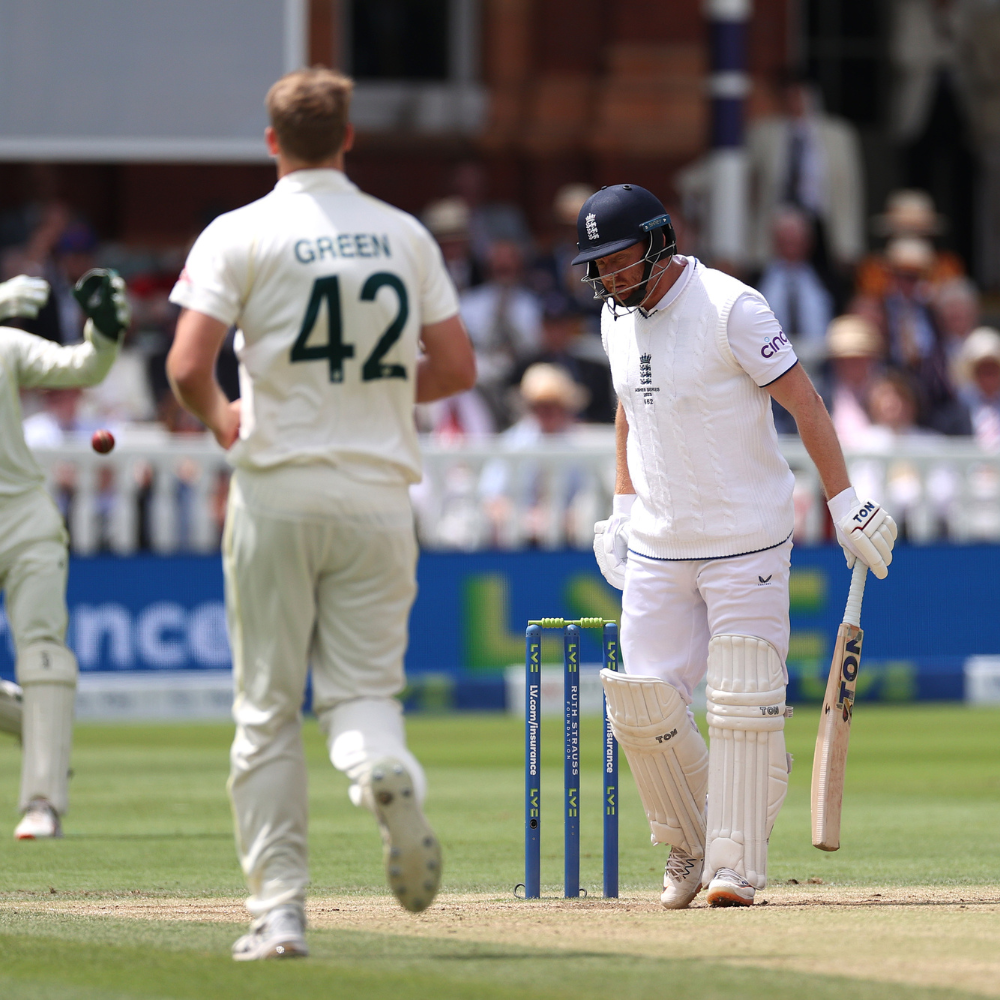








How Cameron Green became Australian cricket’s newest golden boy
Cricket's Green is gold

AT 21, freshly part of the Australian team and living the dream, cricket’s newest prodigy, Cameron Green, found himself dealing with something less glamorous: the long, empty stretches that can come with life on tour.
Years of training can perfect your batting technique, finesse your bowling to the point where it’s as accurate as a heat-seeking missile, and see you hit numerous fitness benchmarks – all the measurable or observable parts of cricket. What it doesn’t prepare you for is eating dinner alone in a hotel because you’re not sure who to message. “It was a bit lonely,” says Green when I ask what it was like going pro.
“I was 21 and the next youngest person was 27. They were all talking about kids and families, and I just wanted to talk about literally anything else.”
It’s an oddly disarming place to start a conversation with someone who, by most external measures, looks like he has everything under control. Test debut at 21. ODI debut the same year. Contract offers. Rising expectations. But for Green, those early tours posed challenges he hadn’t foreseen – figuring out how to fit into a group he’d only ever seen on television.
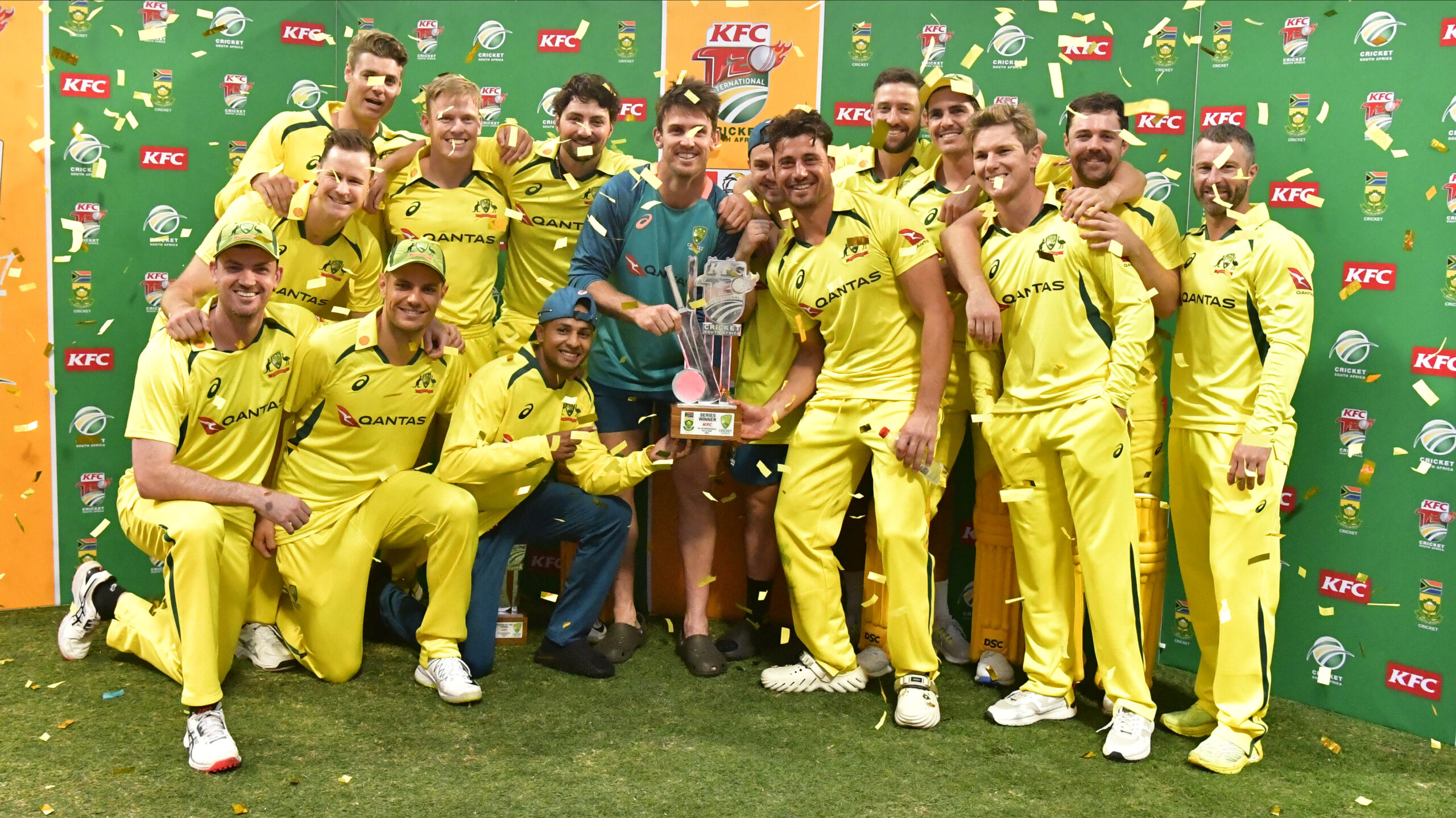
“You’ve got to brave it,” he says. “Get out of your hotel room, go meet these guys, try and build a connection. Now they’re all my family, because when you’re on the road, you’re with them nearly 24/7.”
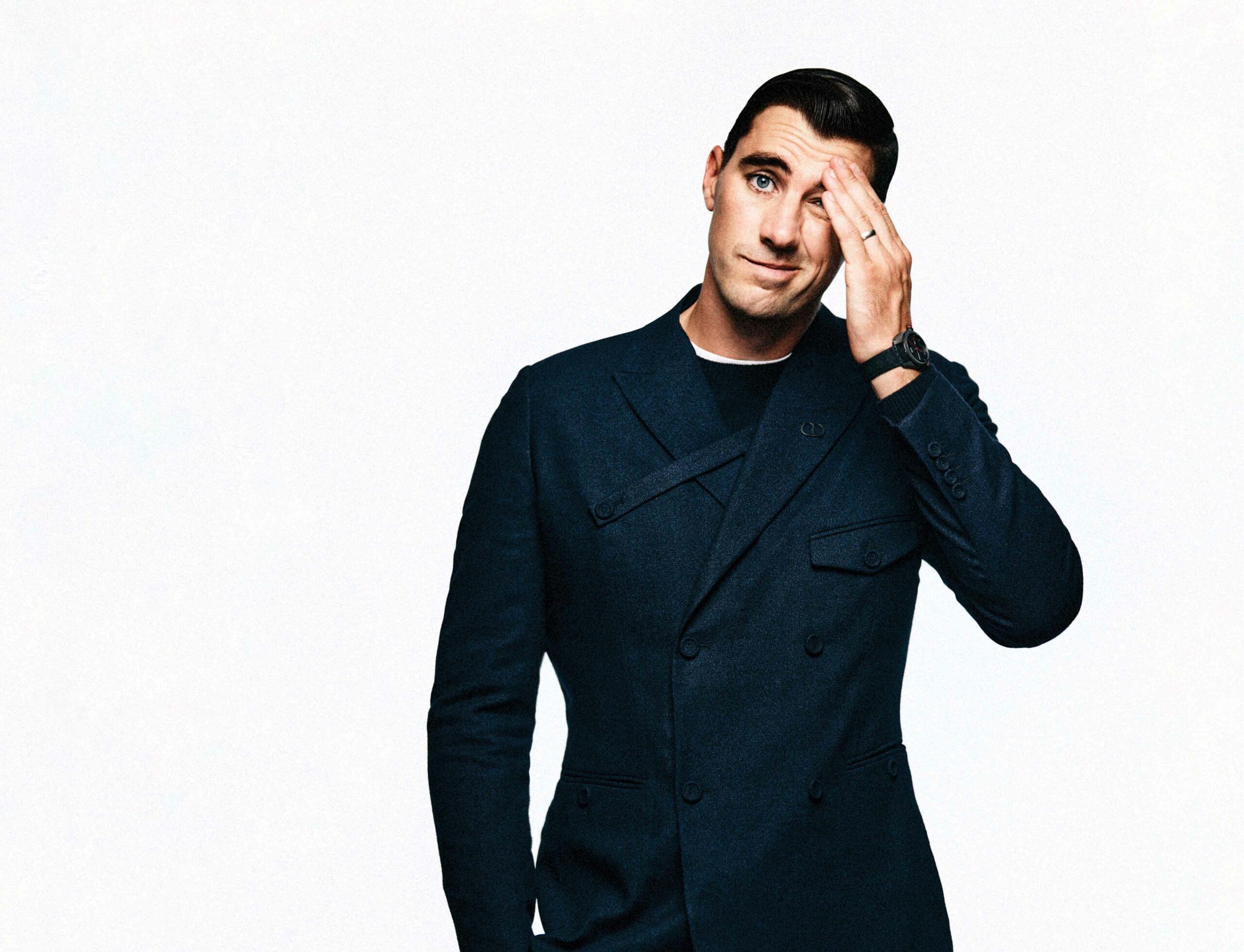
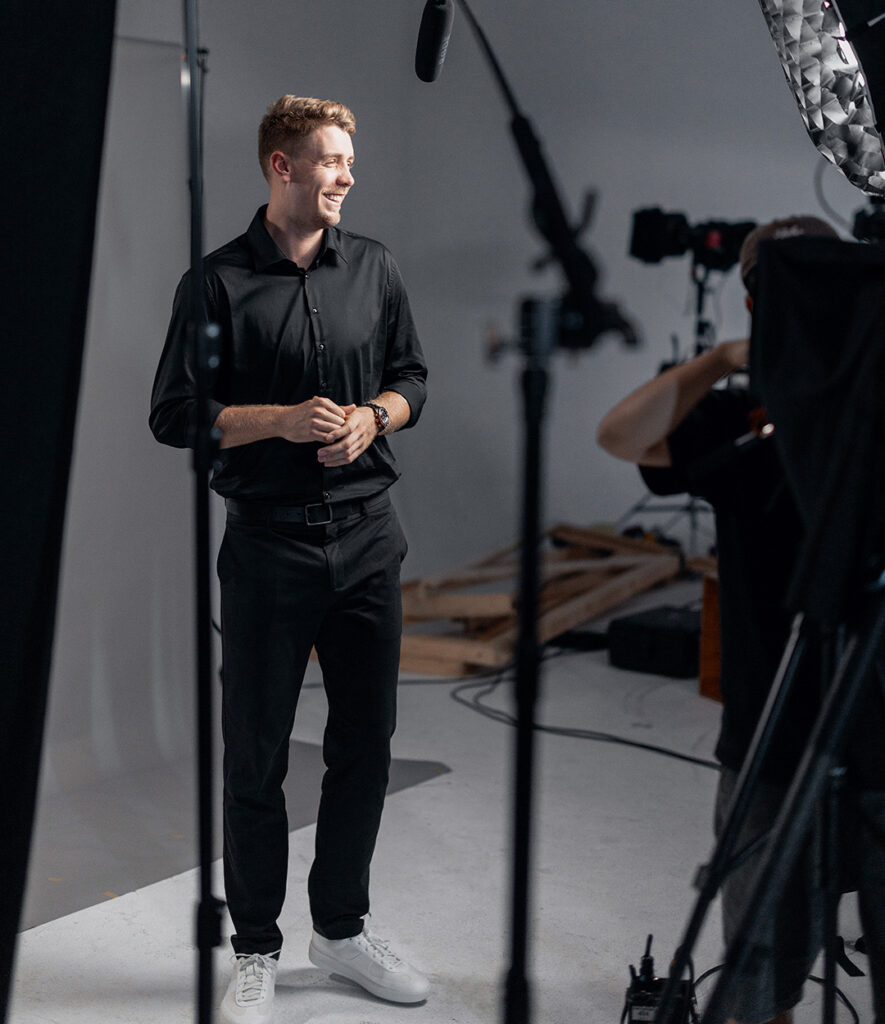
That cricketing family has just grown somewhat, too, with Green being named an ambassador for Swiss watchmaker Rado. It’s a relationship that he describes without any marketing polish; it’s just a practical alignment of timing, culture and opportunity.
“They [Rado] have been pretty keen to get into cricket the last two or three years,” he says. “I saw they did a partnership with England cricket a year before I started. [The brand is very popular] in India. It also worked in really well with me, being a bit of an up-and-coming cricketer.”
He says “up-and-coming” like he’s still 17 and bowling in the backyard, as opposed to a veteran of more than 30 Tests. But the partnership makes sense: Rado made a serious investment in Australian sport through the now-retired tennis champion Ash Barty, and Green slots naturally into that evolution – a rising all-rounder with a growing profile across two hemispheres.
Green’s relationship with cricket started as it does for most Australian kids – in a backyard. A tree in the middle of the backyard of his childhood home in Perth became a default set of stumps, as family members rotated through the bowling duties. “I remember them bowling at me at four or five,” he says. “That’s how you grow up loving the game. You just want to drag your family members out there to play as much cricket as possible.”
It’s the kind of origin story that could easily become romanticised, but Green’s version stays steady. He didn’t grow up imagining a career or projecting himself into future state and national XIs. “I had a very healthy relationship with cricket growing up,” he says. “I never really saw it as a sport I could make money off. It was purely passion.”
His first professional contract was a surprise. “It was called a rookie contract,” he says. “I still didn’t think it was a career when I got offered it.” In classic Green fashion, he underplays his first-class debut – for Western Australia against Tasmania in February 2017. “I was pretty sure I was just going to run drinks for the week,” he says. “Finding out really late that I was playing was probably the best thing for me.” Seventeen years old, taller than every senior player around him, and too young to understand the pressure, he now sees that naivety as an advantage. “When you’re 17, you’re not expected to do well,” he says. “There is no pressure. It probably comes more now when you’re one of the more experienced guys.”
Gradually, the realisation dawned that cricket could be work. Not the training or the playing – those still feel like the enjoyable parts – but everything around them. “Spending six months away from home every year, that’s when it becomes a bit of a job,” he says. “But when I’m going to training, coming to the WACA to train, I’d find it weird if anyone said I was heading off to work.” He jokes about his phone trying to correct him. “Sometimes I’m driving off to training and my phone pops up saying, ‘Do you need directions to work?’ I find that very funny.” Even now, the distinction matters. Cricket is something he does. Work is everything that happens in its orbit.
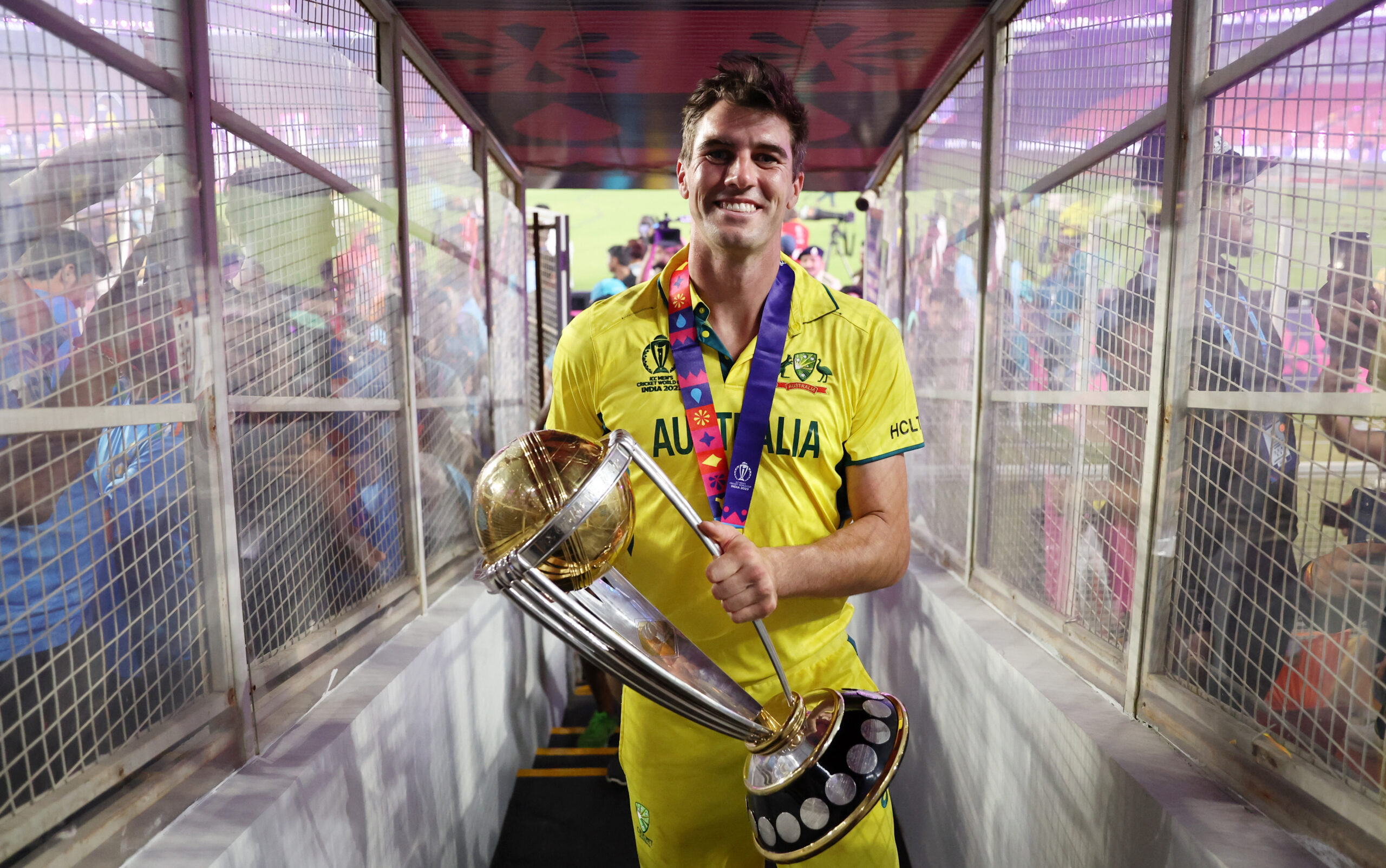
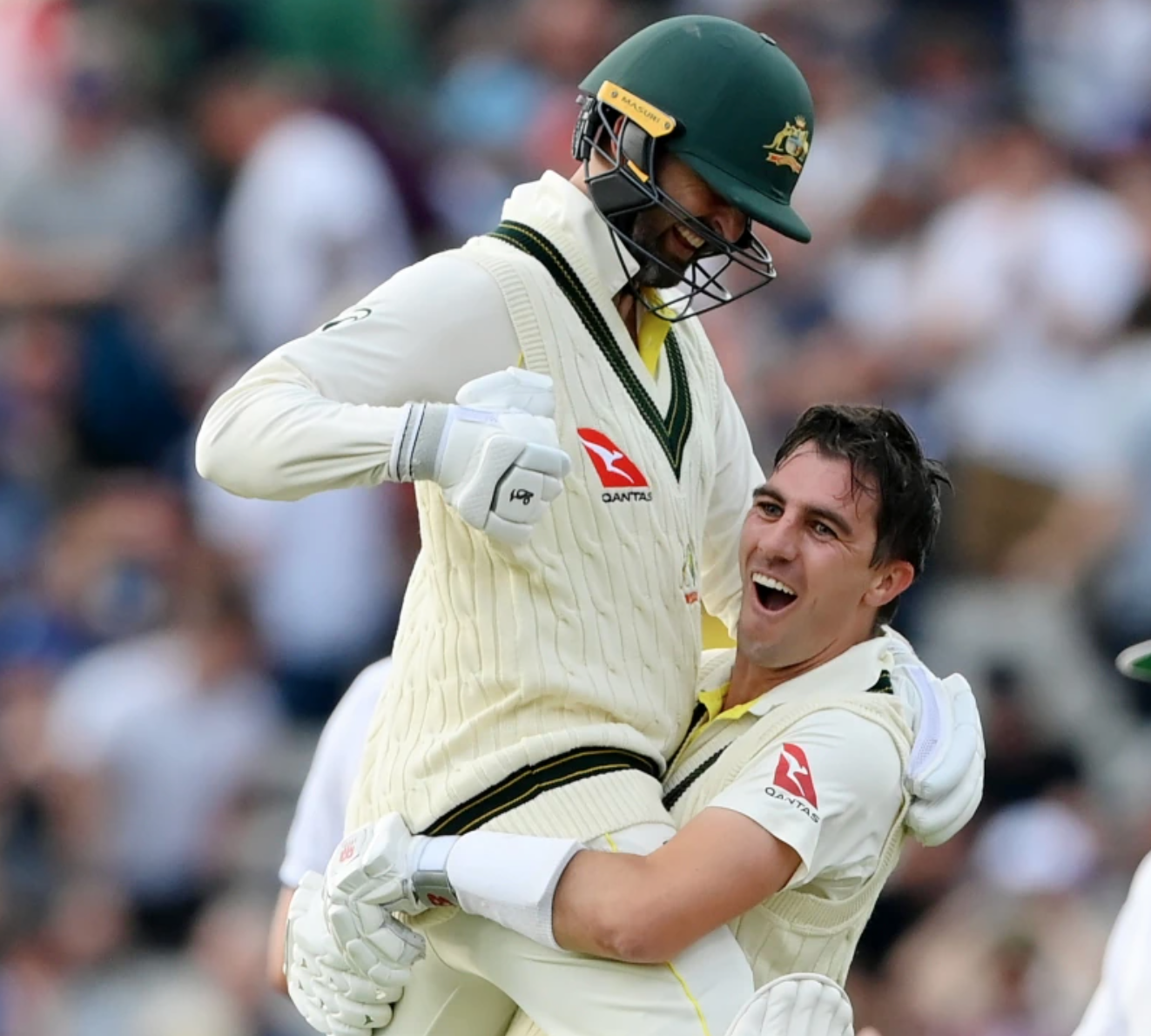
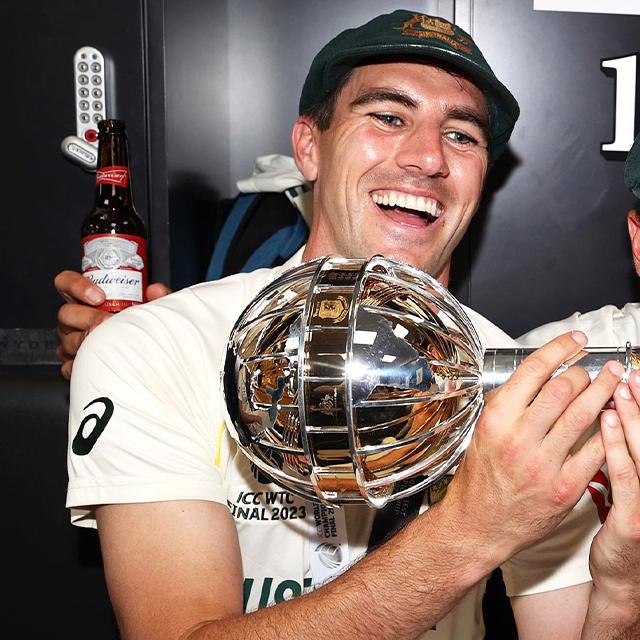
Statistics matter in cricket, a truth Green acknowledges even while preferring to stay in the present. “You’d love to forget about the stats,” he says, “but they’re really important. It’s the way to separate you from other people.” But it’s not the numbers he cites when asked about achievement. It’s the teams. “Winning a World Cup is a really special achievement,” he says. “Winning the newly created World Test Championship, winning the Ashes. They’re the things you look back on.” Then, almost as an aside, he mentions the childhood dream that sits beneath it all. “Scoring a hundred in a Test is probably my childhood dream,” he says. “To be able to tick that off [against India in Ahmedabad in 2023] makes me the most proud.”

Then there are the other stats, the sort that play a significant part in partnerships like his one with Rado: his social media presence. Green has amassed a sizable following during his career, and it’s growing daily. The catalyst, he says, was India. “Most of my fan base is from my time in the IPL,” he says. “When you’re doing really well for [one of their franchises], they absolutely want to be around what you’re doing.” The attention still feels faintly surreal. “It’s probably when you’re getting noticed in public,” he says. “When people are really keen just to say hi and you can see the joy in their face.”
When it comes to the game itself, he confesses there are no shortcuts when it comes to being an all-rounder. You train twice as much, carry twice the load, and shoulder two sets of expectations. “It’s really tough,” he says. “Batsmen spend an hour, an hour-and-a- half in the nets. Bowlers bowl their 60 balls. As an all-rounder, you kind of have to do both.” He’s not complaining; just outlining the reality. “It’s a lot rarer to be an all-rounder. It’s physically tough to do both. That’s what I pride myself on – being a really good trainer.”
But there’s also a heightened risk of injury. Green’s lower-back surgery in late 2024 kept him out for over a year; his recent side soreness forced him out of the ODI series in India in October. But he speaks about these setbacks with clarity rather than frustration. “It’s part and parcel of being a bowler,” he says. “It’s an unusual technique. Injuries are bound to happen. You’ve got to understand it’s part of the game.” His recovery from the back surgery was meticulously managed. “The staff mapped it out basically down to the day,” he says. “Bowling, batting, gym, running. They got my body into an absolutely awesome space.” He pauses, then adds: “I’m absolutely perfect, 100 per cent. Really excited for the summer ahead.”
Green’s rise has been fast, well-documented and, at times, thrilling to watch, but it hasn’t been uncomplicated. The playing is one thing. The work side of cricket is another. And becoming someone who can handle the game’s less-discussed elements – the expectations, the travel, the injuries, the public attention – requires a specific kind of development. If anything, the throughline in his story isn’t the milestones but the adjustment: learning to belong, learning to handle pressure, and learning when to shut all of that out so he can just play.
Related: