







Sydney's $2 billion waterfront: is it worth the price tag?
Darling Harbour is about to undergo a major renaissance
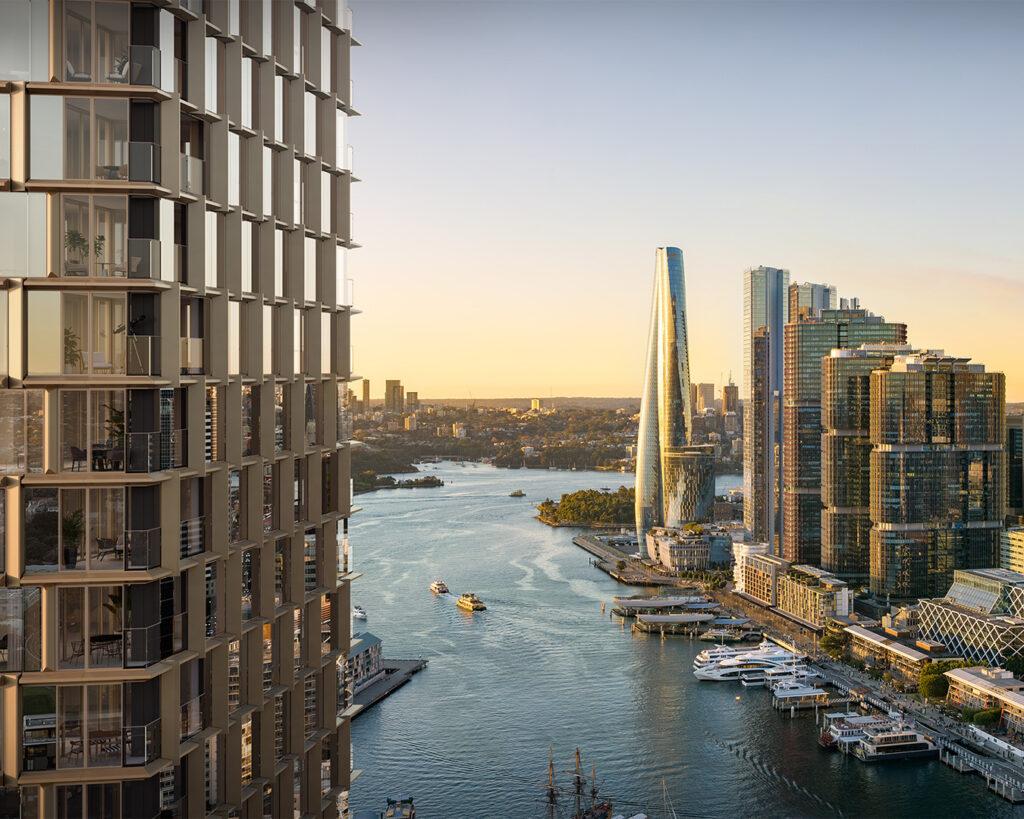
FOR SYDNEYSIDERS of a certain age, Darling Harbour conjures up images that are less about luxury hotels and waterfront restaurants, and more about an industrial wasteland. In 1988, when the Queen officially opened the precinct, many believed that it would take a miracle to transform the city’s western wasteland.
Nearly four decades later, Darling Harbour attracts more than two million international visitors annually and is nearing the completion of its final stage of transformation.
Cue Harbourside Residences, Mirvac’s $2 billion love letter to waterfront living. It launched last November to the kind of reception property developers dream about: $700 million in presales, gone in a single weekend. The message was clear. Sydneysiders weren’t just buying apartments; they were buying a whole new idea of what luxury living should look like. And where to find it.
Sydney’s prestige property market has been quietly shifting. While the eastern suburbs have long held court as the city’s traditional seat of wealth, there’s been a slow westward migration. The city’s waterfront, once an afterthought in the conversation about where Sydney’s wealthy choose to live, has become the new frontier.
The data backs this up. Annual growth in Sydney’s prestige segment is outpacing the broader market, with top-tier apartments appreciating more than 40 per cent over the past decade. Yet prestige listings remain nearly 20 per cent below pre-pandemic levels, making them scarcer than an Hermès Birkin. When Mirvac releases the upper levels of Harbourside later this month, they’re not just selling apartments, they’re offering access to an increasingly exclusive club.
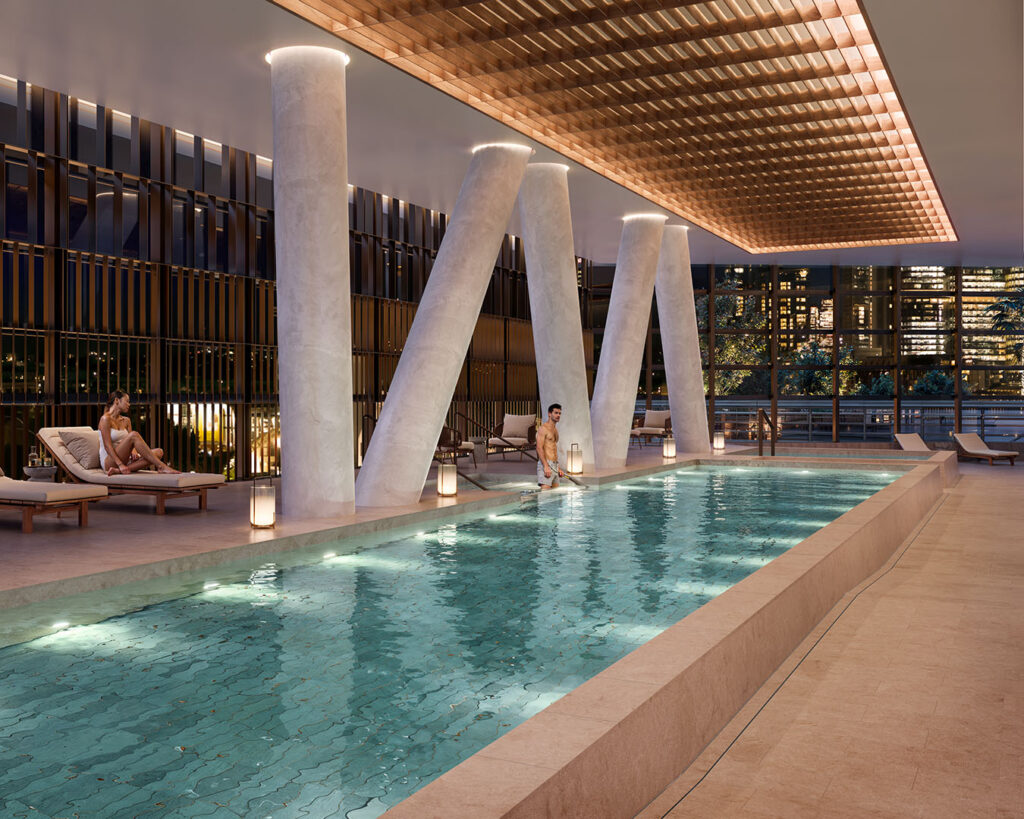
There are 260 residences. A lagoon pool with harbour views. A round-the-clock concierge, a cinema, a golf simulator and enough wellness facilities to make a personal trainer green with envy.
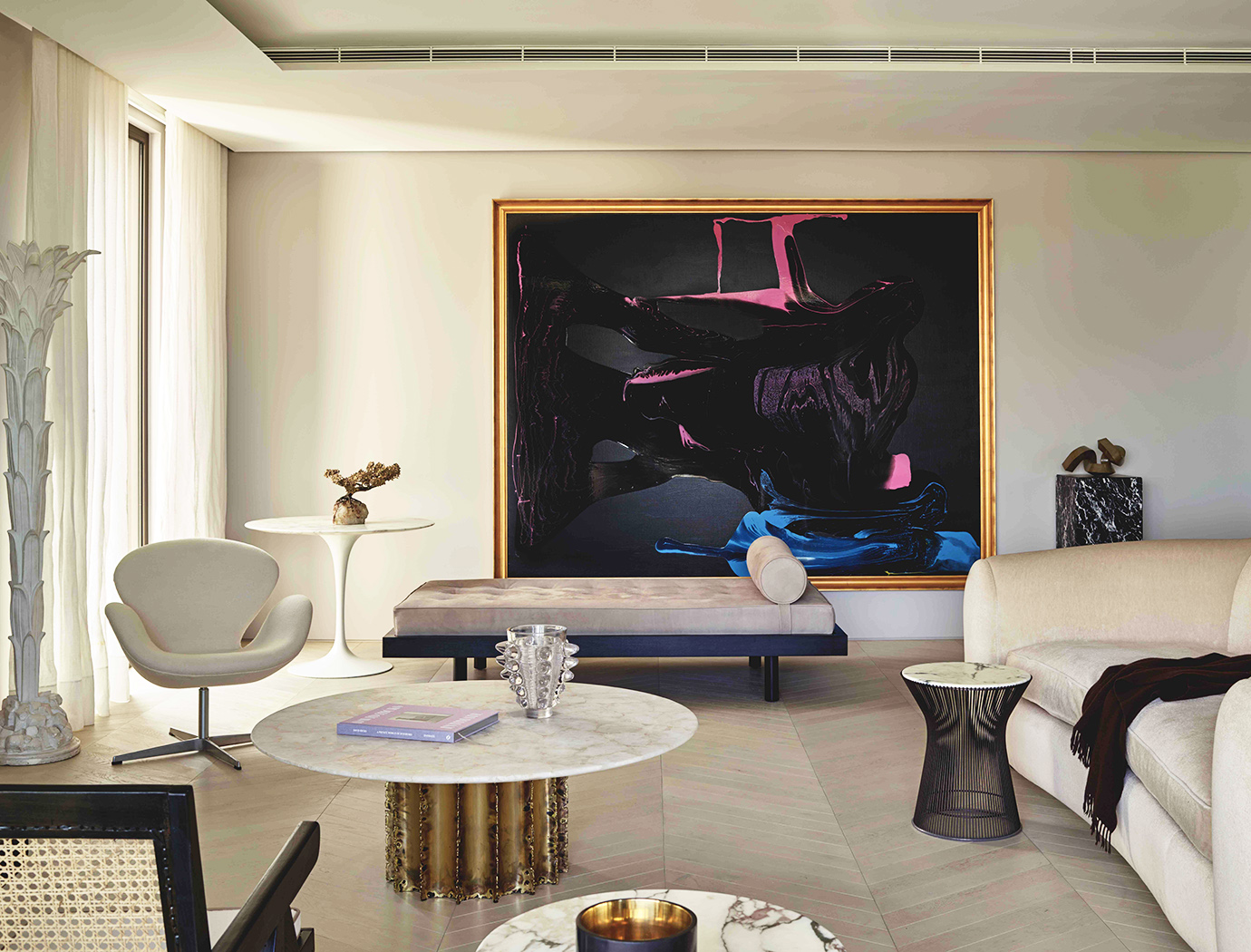
What Mirvac has really invested in, however, is something more elusive: a sense of place. Designed by Norwegian architects Snøhetta and Australian studio Hassell in collaboration with cultural designers Djinjama, with interiors by Bates Smart, Harbourside reads less like a development and more like a manifesto on how cities should evolve.
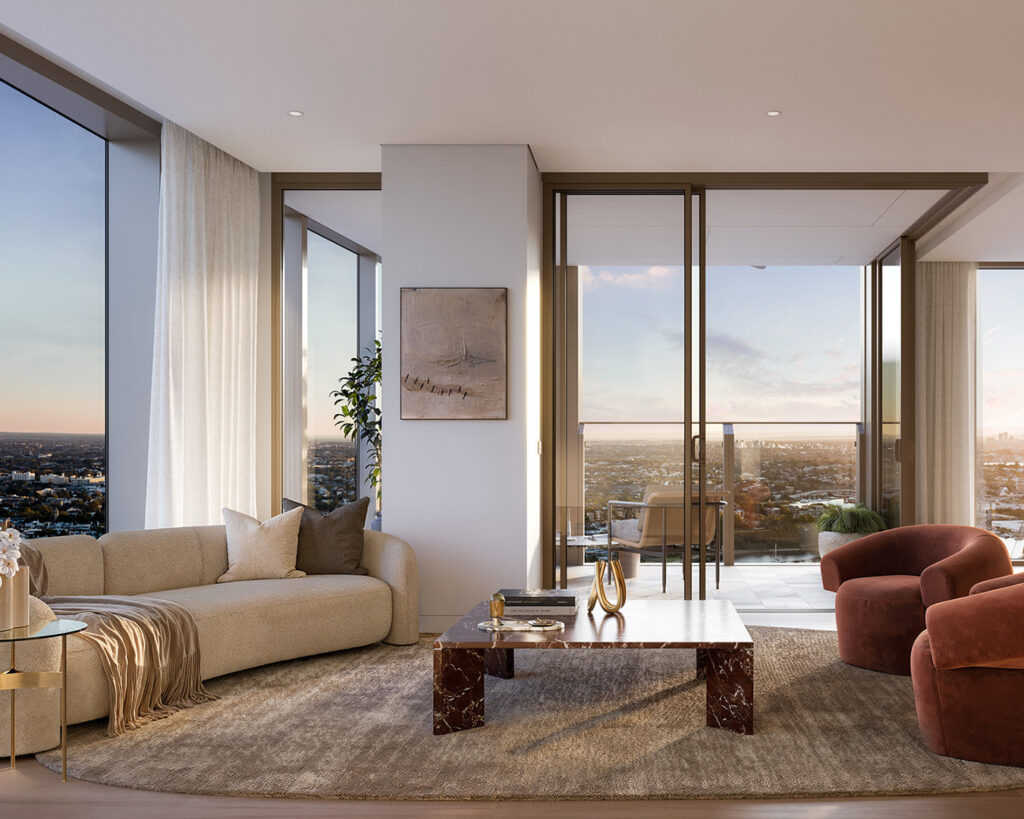
The architecture respects its harbour setting. Natural stone features prominently in palettes that reference land and sea. The apartments themselves, particularly the newly released three- and four-bedroom residences on the upper levels, offer views of Sydney Harbour, the city skyline and westward to the Anzac Bridge and the Blue Mountains.
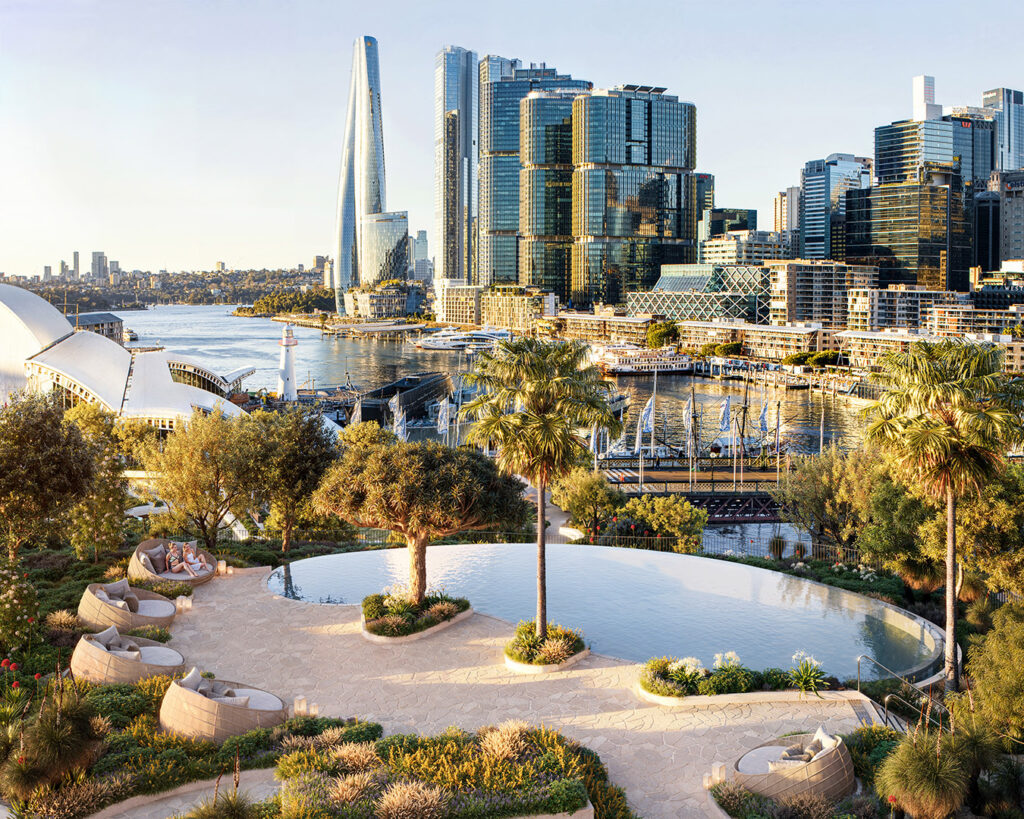
But the real luxury is spatial. The Level 5 gardens, designed to echo Sydney’s natural landscape, feature walking trails leading to a lagoon pool, offering something increasingly rare in high-density living: the ability to step outside your apartment without immediately being in someone else’s space. It’s a buffer zone between private and public that helps create a unique sense of place.
And in an era when “sustainability” has been rendered almost meaningless by overuse, Harbourside has committed to net positive carbon for its commercial and retail spaces. The entire precinct is powered by renewable energy, with rooftop solar panels providing electricity. More than 100,000 native trees and plantings will transform what was essentially a concrete plaza into 6,000 square metres of green living rooftops and a new public waterfront garden.
Harbourside isn’t just the last development in Darling Harbour’s renewal. It’s a full-circle moment. This is where the transformation began in 1988, when the original Harbourside shopping centre opened alongside the harbour itself. That it should conclude here feels entirely appropriate.
The verdict
Is Harbourside worth the hype? If you’re asking whether a 48-storey tower with a lagoon pool and 100,000 native plantings represents good value in Sydney’s prestige market, you’re missing the point. Harbourside isn’t competing on value. It’s competing on vision.
Mirvac has spent 53 years understanding what the top tier of Australian buyers actually wants, and it’s not just harbour views and marble benchtops. It’s a sense of belonging to something larger, of being part of Sydney’s evolution. It’s infrastructure that anticipates needs before you know you have them. It’s design that respects both landscape and legacy.
The waterfront renaissance Sydney has been experiencing isn’t just about geography. It’s about a fundamental rethinking of what urban luxury means. Harbourside Residences represents the fullest expression of that rethinking. Whether it’s worth $2 billion is almost beside the point. The market has already spoken.
Related:
Why the best rooms in the house make you feel, not just look