







How Youth To The People created the perfect menu for healthier skin
Good food for your skin
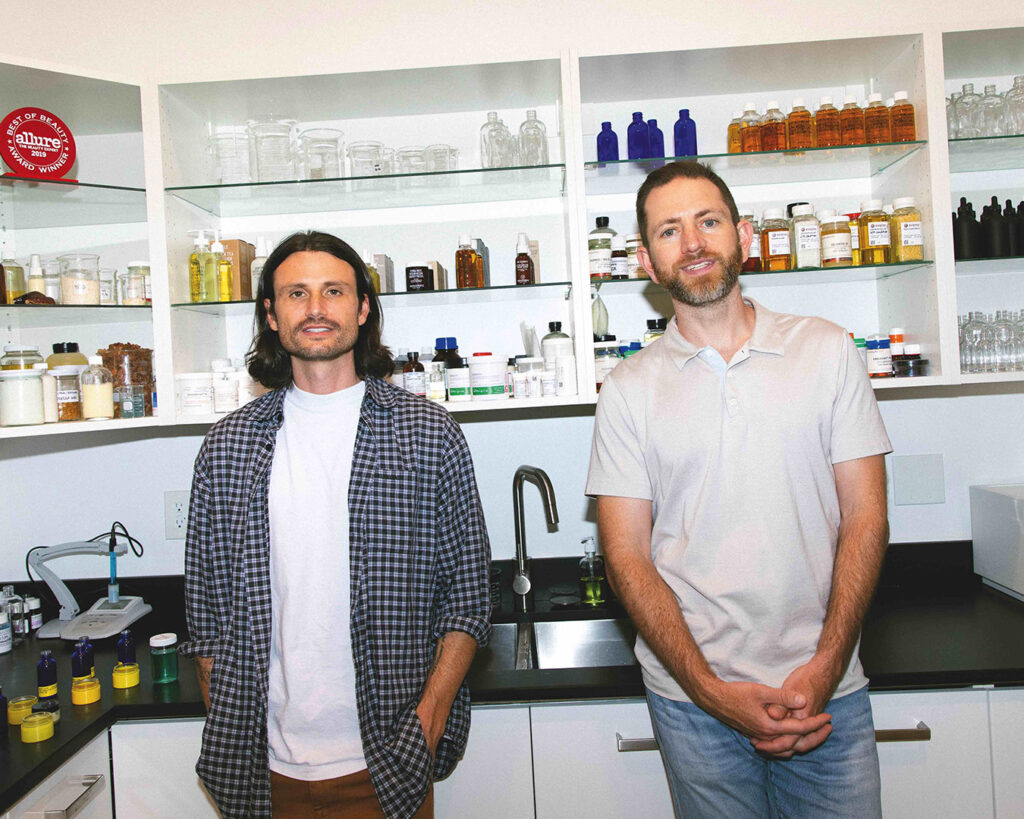
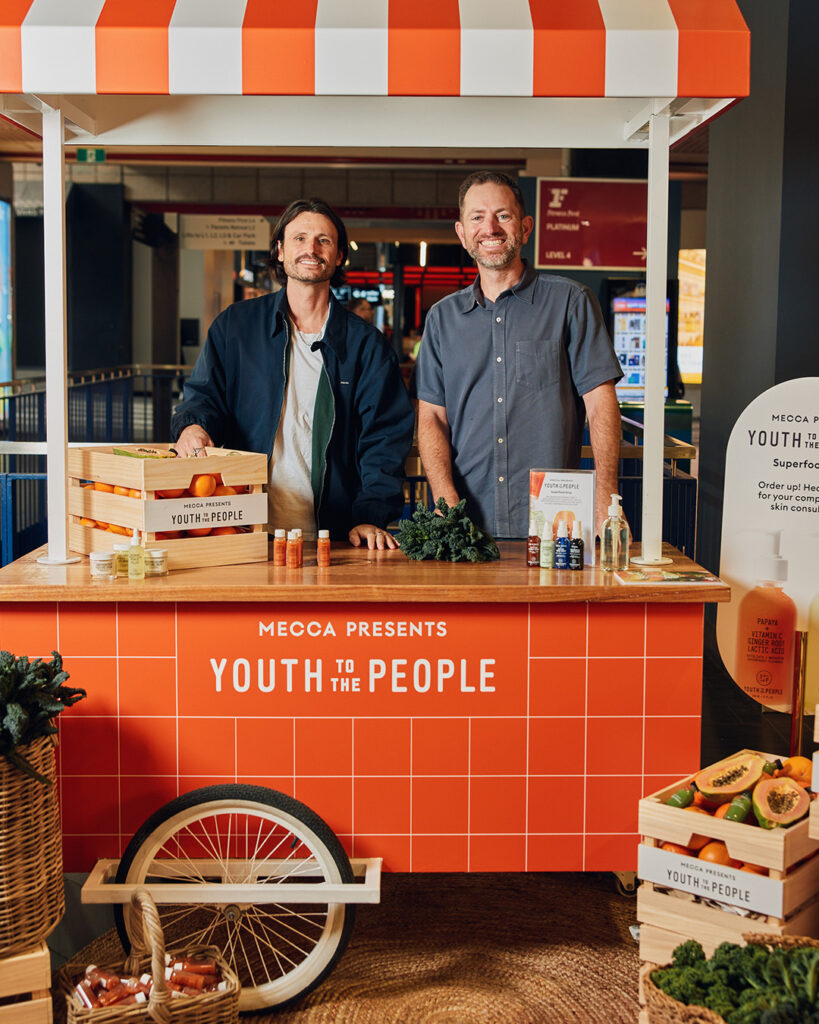
THE SUBTLE TANS of time spent outdoors, tattoos, laugh lines and the everyday wear and tear of lives well lived all clearly visible on their skin, cousins Joe Gloyes and Greg Gonzalez are a far cry from the stereotypical image of people who work in the beauty industry. This could be, in part, because their cult skincare brand, Youth To The People, cares more about looking after your skin than pretending it can fight the natural order.
Launched in 2015, Youth To The People began with a simple premise: make good products that protect and nourish the skin. Around the same time, kale and the like had taken over menus as superfoods, and the cousins found themselves wondering: “If these ingredients do so well inside the body, what could they do for the outside?”
“We were inspired by what was happening around wellness and superfoods,” Cloyes tells Esquire. The pair had just landed in Sydney for a short tour before visiting Melbourne’s new Mecca flagship that now stocks their range. “We were also really interested in community-based brands. Something that builds around a belief and a movement beyond just product. So, we started to tinker between our day jobs. Then it just took off and it was like, Holy cow!”
Their path into skincare didn’t form from nothing. Cloyes and Gonzalez grew up surrounded by aestheticians, cosmetologists and salon owners. Their grandmother, Eva Friederichs, launched her own line in 1979, and weekends were spent helping out at family spas and trade shows. “It was just a small family business making great products for salons and spas,” says Cloyes. “We didn’t really know we were growing up in the beauty industry until we got older and realised we had.”
Gonzalez puts it more simply: “It was just about being around family. Mum bought a hair salon, and we were there all the time.”
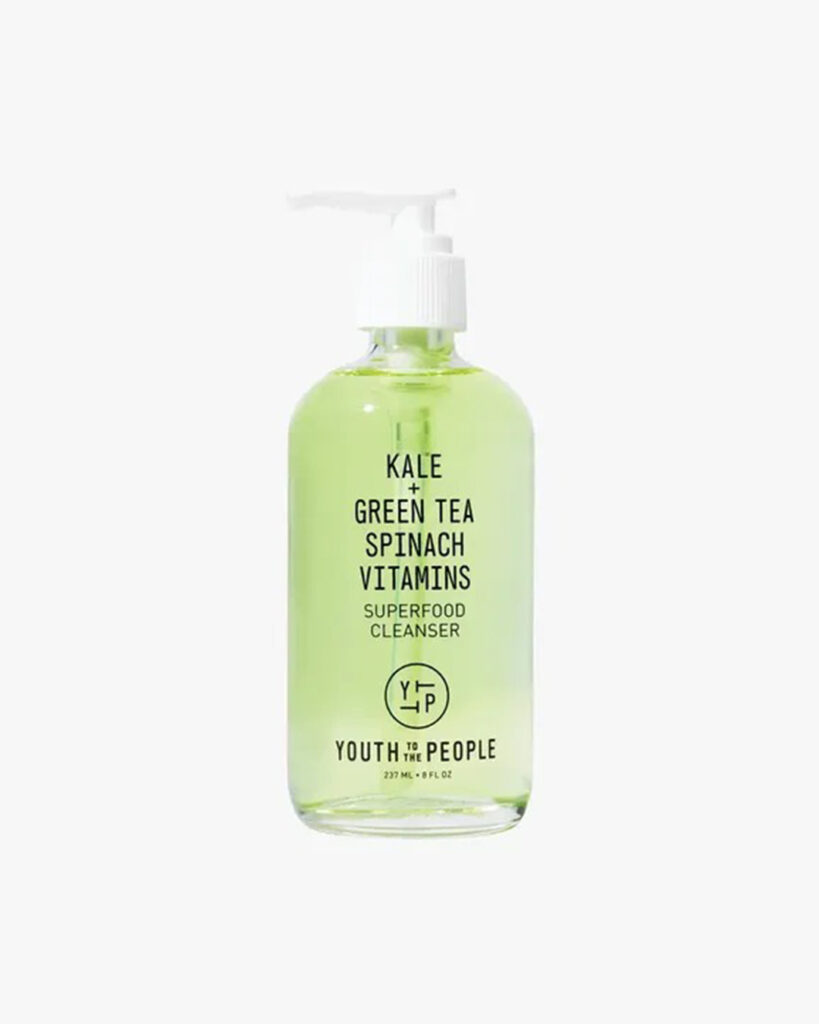
Both worked corporate jobs after college before deciding they wanted to create something of their own. “We went to a beauty show and we’re like, ‘Hold on, this is it,” says Cloyes. Within a few years, they were developing what became their foundation product: a Superfood Cleanser packed with kale, spinach and antioxidants. “We built the first product, which ended up sparking the whole idea for the line,” says Gonzalez.
That cleanser still defines the brand. Its distinctive glass bottle, larger than most at 237ml, wasn’t a luxury decision so much as a creative one. They couldn’t afford elaborate packaging, but it photographed well. “There were design things that Greg did that would look better on social media as Instagram was becoming a thing,” Cloyes recalls. It turned out to be a prescient move.
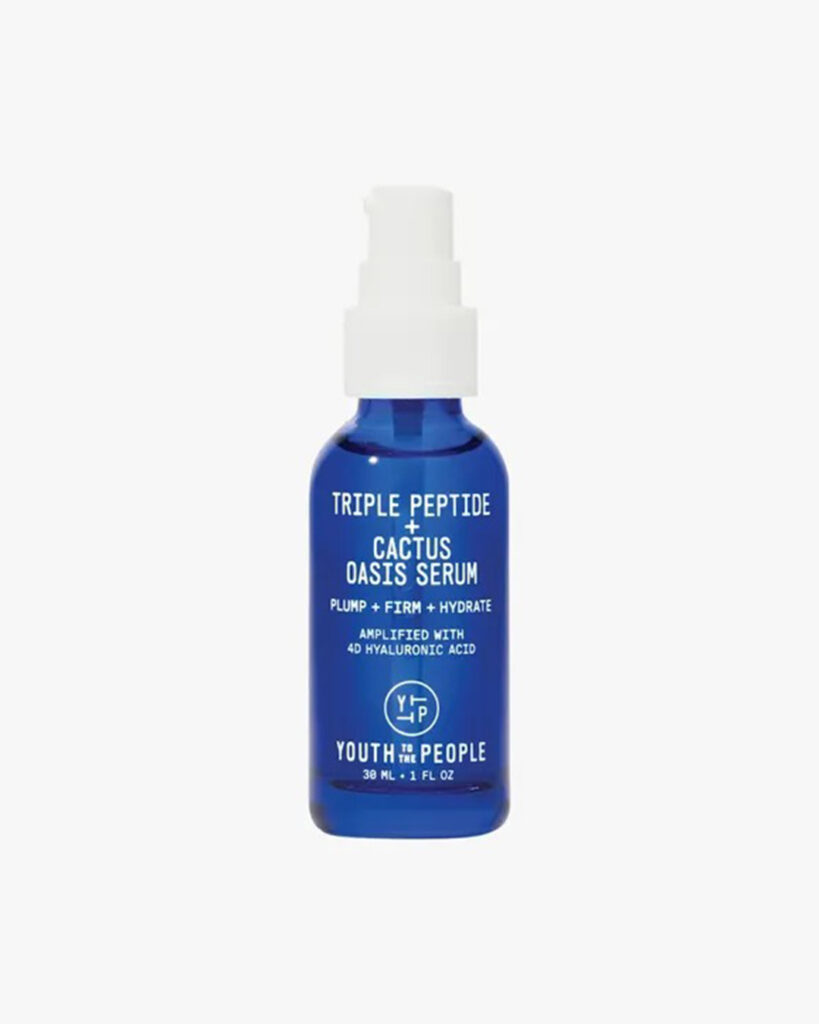
Their approach to ingredients mirrors LA itself. Part smoothie bar, part science lab. Inspiration for new products can come from as far away as Seoul skincare conventions, wellness trends or whatever’s on their neighbourhood juice menu. “It could be literally an ingredient we’ve seen somewhere,” says Cloyes. “Or we’ve gone to conventions and found a 4D hyaluronic acid before it ever came to the US. Sometimes they’re cool but don’t work in skincare, so we find one that does and balance it.”
Every product is still tested on themselves. “Let’s just say we product-test on everybody,” Cloyes laughs. “Self-testing is key. We don’t test on animals; we test on ourselves for a reason.” Some ideas take years to refine. The Air Whip Moisturiser was one such sleeper hit. Gonzalez, meanwhile, swears by the serums. “People don’t realise how effective our serums are. They’re unique combinations. No one else is making them this way.”
Instead of traditional endorsements, they sent early batches to artists, musicians and friends. Instagram, still in its pre-influencer phase, became a natural launchpad. “That was our awareness-driving platform,” Cloyes says. The authenticity helped. Youth To The People wasn’t built around celebrity campaigns but real users. In 2021, when the company recorded sales in the vicinity of US$50 million, L’Oréal acquired the brand, expanding its reach, though the cousins still run it as a family business.
Despite scaling globally, its community focus has remained. Through Good To The People Funds, the brand supports initiatives around reproductive rights, climate change, LGBTQ+ youth and food insecurity. “As the brand grew, we decided to talk about things that aligned with our values,” says Cloyes. “When you have a platform, you can make a lot of great things happen.”
That sense of purpose distinguishes Youth To The People from other skincare brands. It wasn’t born from a celebrity vanity project or a dermatologist’s side hustle. It came from two cousins who grew up steeped in the industry without even realising it. “That was the strangest thing,” says Gonzalez. “What we actually knew about ingredients and actives, it was just through osmosis.”
Nearly a decade on, Youth To The People has become shorthand for Californian optimism and has a community that spans LA creatives to Indian consumers discovering the cleanser for the first time. Cloyes sums it up thus: “If it wouldn’t work, if an aesthetician wouldn’t use it, if it doesn’t pass our family’s specs, then there’s no way we’re going to sell it.”
Related:
Are we ready for the return of the ’00s most controversial haircut?
To My Ships is making the humble deoderant insteresting – finally