






Louis Vuitton celebrates 130 years of its iconic monogram
That's a lot of LV
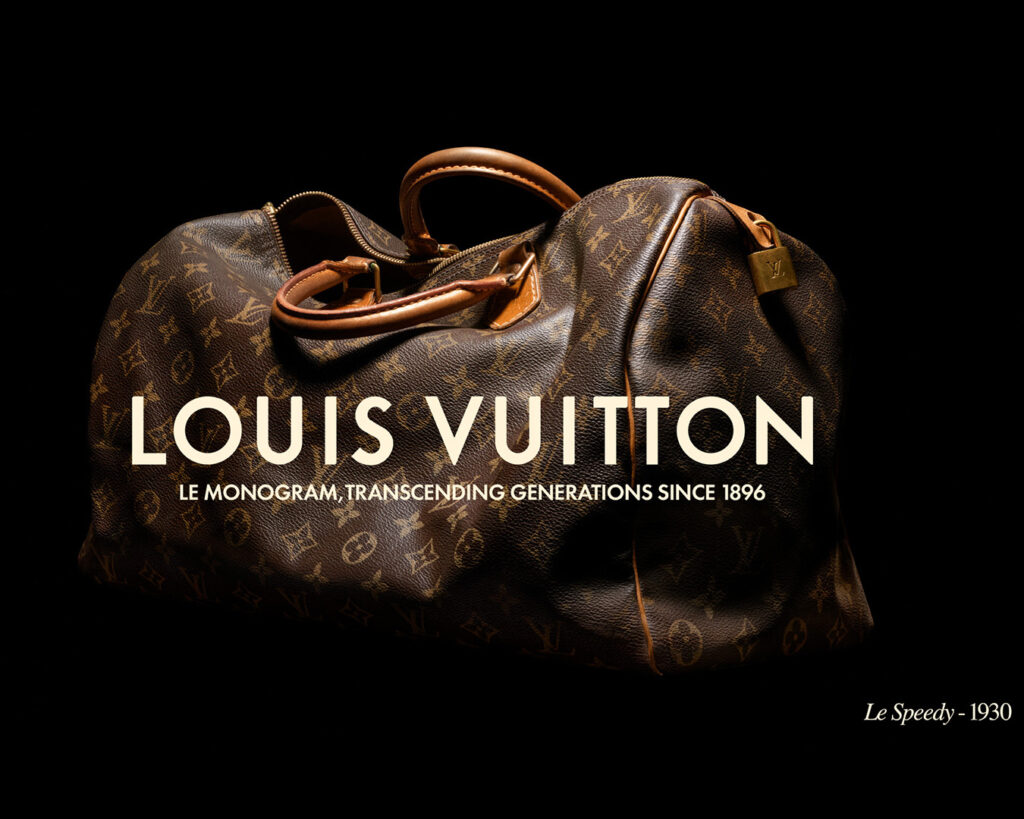
WHO DOESN’T LOVE A BIRTHDAY? Or at least, a landmark anniversary. The Louis Vuitton Monogram turns 130 this year, a milestone that places it among the longest-running design codes still in continuous use. Introduced in 1896 by Georges Vuitton, the pattern was conceived at a moment when the House was expanding rapidly and needed a reliable way to protect its products from imitation. The result was a repeat motif of interlocking initials and floral symbols, applied to canvas goods designed for travel and frequent use.
That context matters to how the Monogram is approached today. Over more than a century, it has shifted from a practical identifier to a shared visual language, one that has moved easily between luggage, handbags and cultural reference points without losing its core function. Its endurance has less to do with reinvention than with consistency. A design that has absorbed change through use rather than disruption.
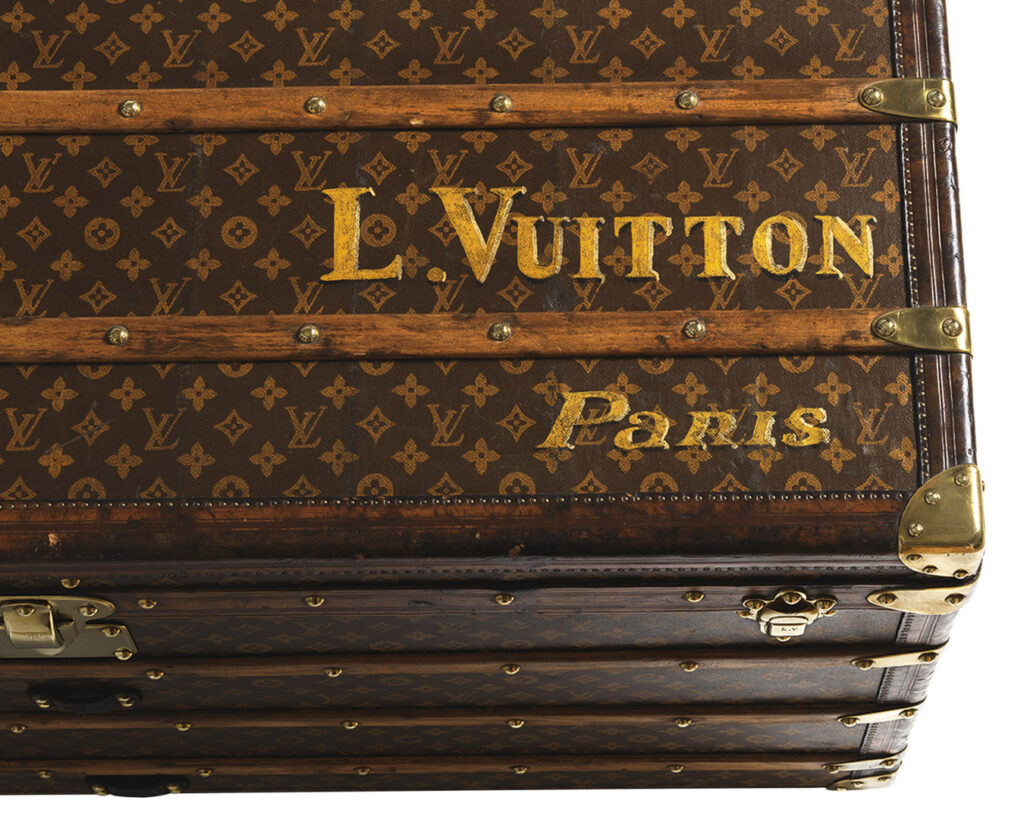
The 130th anniversary collection reflects that mindset. Rather than reframing the Monogram as a historical artefact, it treats it as a working material system, one that continues to evolve through construction, surface and proportion.
The year-long celebration begins with a renewed focus on five established bag designs: the Speedy, Keepall, Noé, Alma and Neverfull. Each was originally designed for a specific purpose, and each remains in circulation because it still performs that role effectively. Their presence here reinforces the idea that longevity is earned through its enduring desirability based on functionality.

Alongside these core styles, three capsule collections examine different chapters of the Monogram’s development. The Monogram Origine collection returns to the earliest canvas treatments, introducing a new jacquard woven from linen and cotton. Lighter in weight and softer in tone, it draws from archival references that predate the darker finishes most commonly associated with the Monogram today. The emphasis is subtle, allowing texture and weave to lead rather than contrast or scale.

The VVN collection turns attention to leather. Crafted from natural cowhide, each piece is designed to change gradually with wear, developing patina that reflects individual use. The approach recalls Louis Vuitton’s early travel goods, where marks of handling were understood as part of ownership rather than something to be avoided. Here, ageing becomes a feature of the design rather than an afterthought.
The Time Trunk collection offers a more graphic interpretation, using trompe-l’oeil printing to reference the House’s trunk-making heritage. Wood panels, metal corners and riveted details are translated onto contemporary bags, not as replicas, but as visual cues that link past construction techniques with present-day forms.
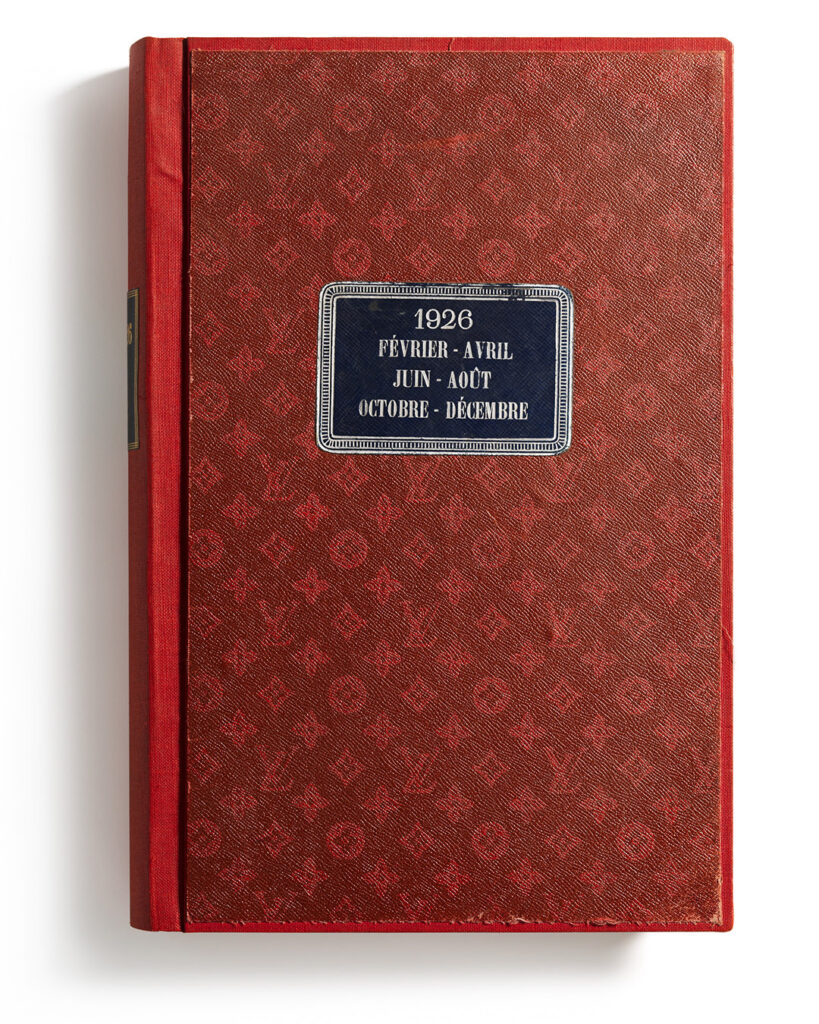
Viewed together, the anniversary collection reads as a considered reassessment rather than a celebration driven by scale or novelty. It presents the Monogram as a design shaped by use, material and time, qualities that have defined its relevance for 130 years, and continue to do so without needing emphasis.
Related:
Girard-Perregaux drop a limited-edition 50th anniversary version of their Laureato
You can now get your hands on Louis Vuitton’s iconic 1988 Monterey watch, for a price