




Inside the retail monument to the Rodd & Gunn lifestyle
At its new Melbourne flagship, The Lodge Little Collins, Kiwi brand Rodd & Gunn has built a bricks-and-mortar monument that fuses its heritage menswear with modern hospitality
 By
By 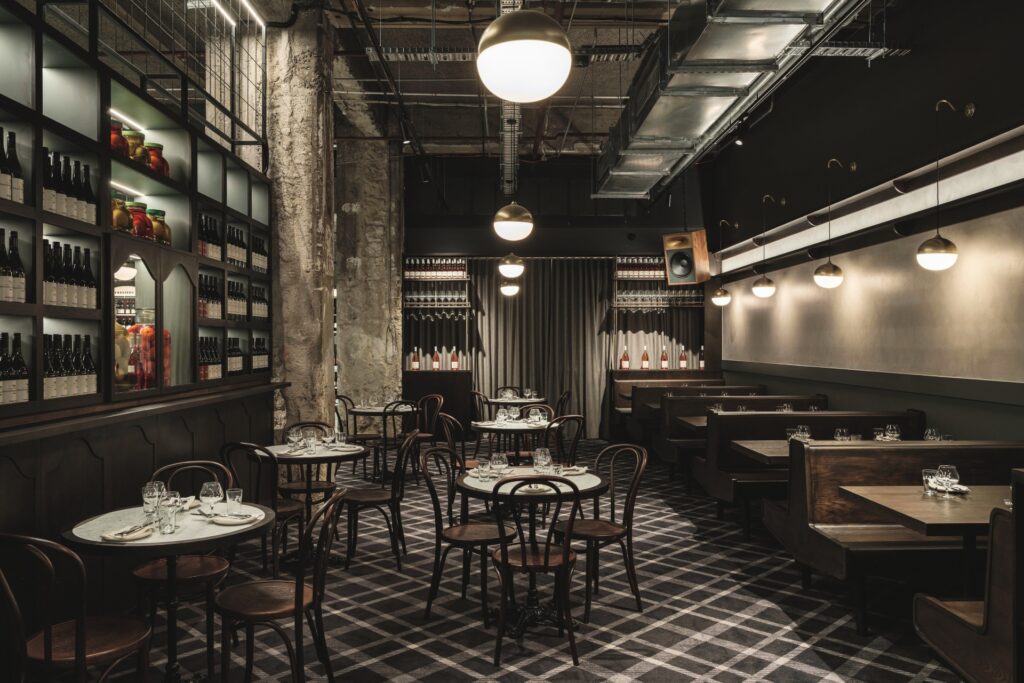
THE WORD ‘PRIME’ comes to mind when you settle in for a meal at one of Rodd & Gunn’s four Lodge Bar & Dining venues. Only we’re not talking about the steak. The Kiwi menswear label’s first foray into the lifestyle concept launched in 2016 with The Lodge Rees Street in Queenstown, offering patrons a postcard view of Lake Wakatipu to go with their oysters and Lake Õhau wagyu. Auckland’s Commercial Bay luxury precinct was next in the winter of 2020, as COVID was shutting down the world, followed two years later in Brisbane on James Street, solidifying what Broadsheet called “a murderers’ row of Brisbane dining”. Punctuating the real estate landscape with its experiential arm is true to form for the 79-year-old heritage brand; with revenue hitting NZ$233 million in 2024, it can do that. Last month, it opened its biggest Lodge yet, its new global flagship, on 280 Little Collins Street in Melbourne.
When the brand announced in 2022 that it would be opening its Melbourne Lodge, it raised eyebrows in a city coming off some of the strictest COVID restrictions in the world, partnered with the supposed death of bricks-and-mortar retail. But that’s old news now to Josh Beagley, director of The Lodge Group, Rodd & Gunn’s hospitality division. “If anything, I think the pandemic saved bricks-and-mortar retail. It made people want to go out and have those human connections again,” he tells Esquire. Plus, “the wave of investment that you’ve seen in the core of Melbourne’s CBD really highlights that, as well, [with] 299 and 280 Little Collins”. The former address refers to the northern half of the building that’s occupied by the cosmetics emporium Mecca Bourke Street, which opened in August.
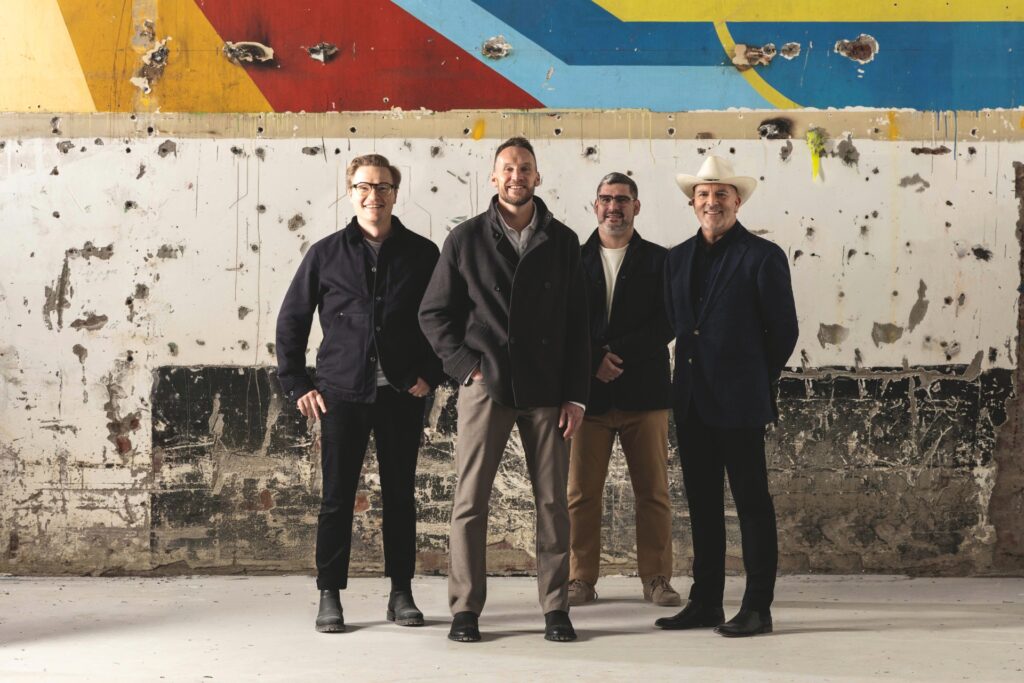
One incentive for a fashion brand to go into hospitality is edible world-building – constructing a narrative through flavour and theatre. Translation: a rich backstory and knack for mythmaking is essential – attributes several European and some American houses have in spades, and which Rodd & Gunn, the first to do so on this scale in the Antipodes, has too. The brand’s origins can be traced to 1946, when the
now-famous English Pointer logo was stitched onto a range of boutique men’s shirts. In 1987, Kiwi advertising guru Gary Gwynne created the Anglo-Celtic-inflected name and opened a first store, in Auckland, creating the brand as we know it today.
When Beagley’s father, Mike, bought the brand in 2006, an expansion into hospitality was on the cards. “Given our positioning of being ‘premium lifestyle’, ‘comfort’, ‘weekend’, it all lends itself to a certain lifestyle: there’s a travel, socialising and escape element,” Beagley says. “And if we could apply it to bricks-and-mortar retail, it was a way that we could make that experience a bit more engaging.”
Depending on the generation you ask, 280 Little Collins has been known to locals as the original Coles building or the David Jones menswear store; it’s been the city’s Art Deco jewel since its construction in 1929. Beagley wanted to honour Melbourne – Australia’s retail capital and a mature market for the brand – and lean into this provenance “in a big way to showcase that it has a strong brand extension for Rodd & Gunn”.
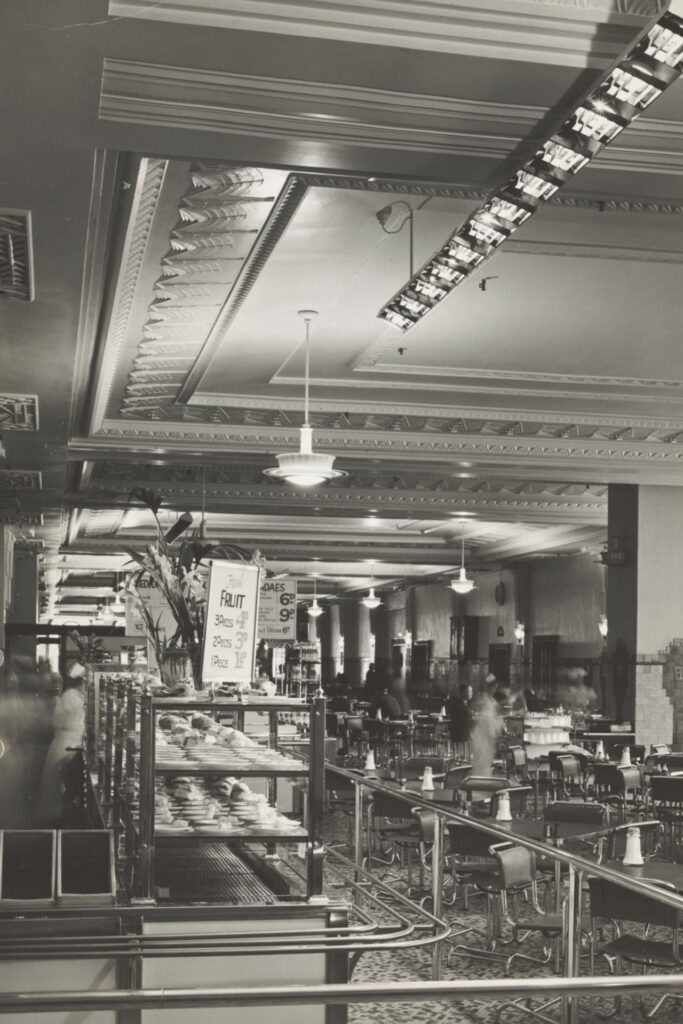
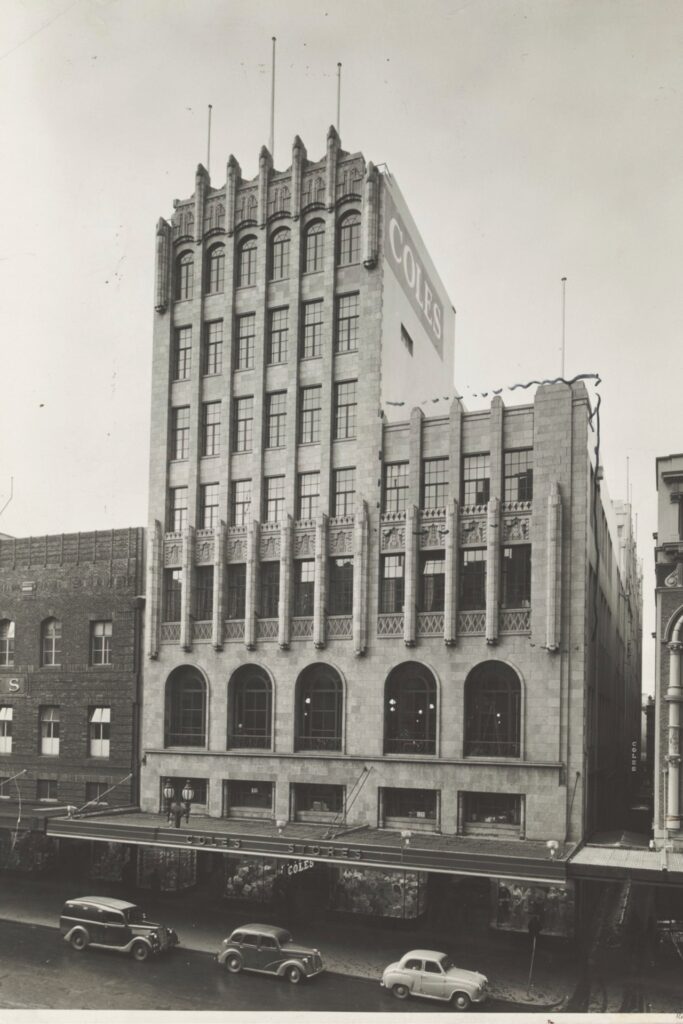
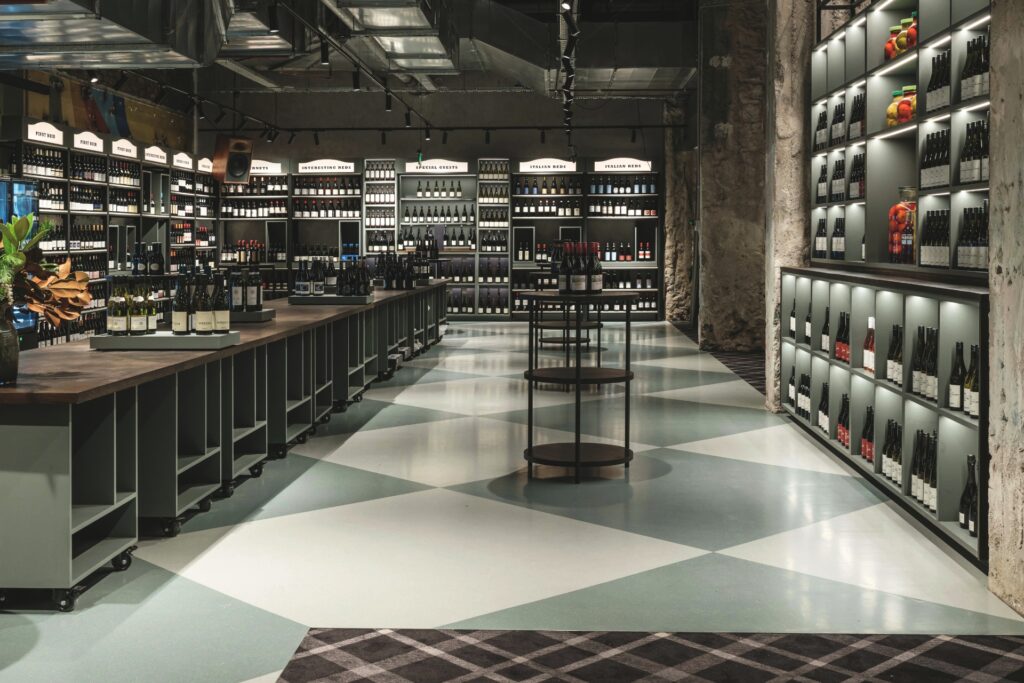
First, Beagley took to restoring the Art Deco details, which he assigned to St Kilda- based design firm Studio Y. “They really understood the brief of creating a Melbourne space that felt like Melbourne,” he says. On the fourth and top floors is The Lodge Dining Room, featuring large arched windows and Art Deco-inspired motifs on the cornices. These details flow down the staircase to the mezzanine floor, occupied by club chairs in the moody Member’s Bar, a space exclusive to Rodd & Gunn’s Loyalty Club members. The goal was to create design treatments that could’ve been put there almost a century ago by the original architect, Harry Norris.
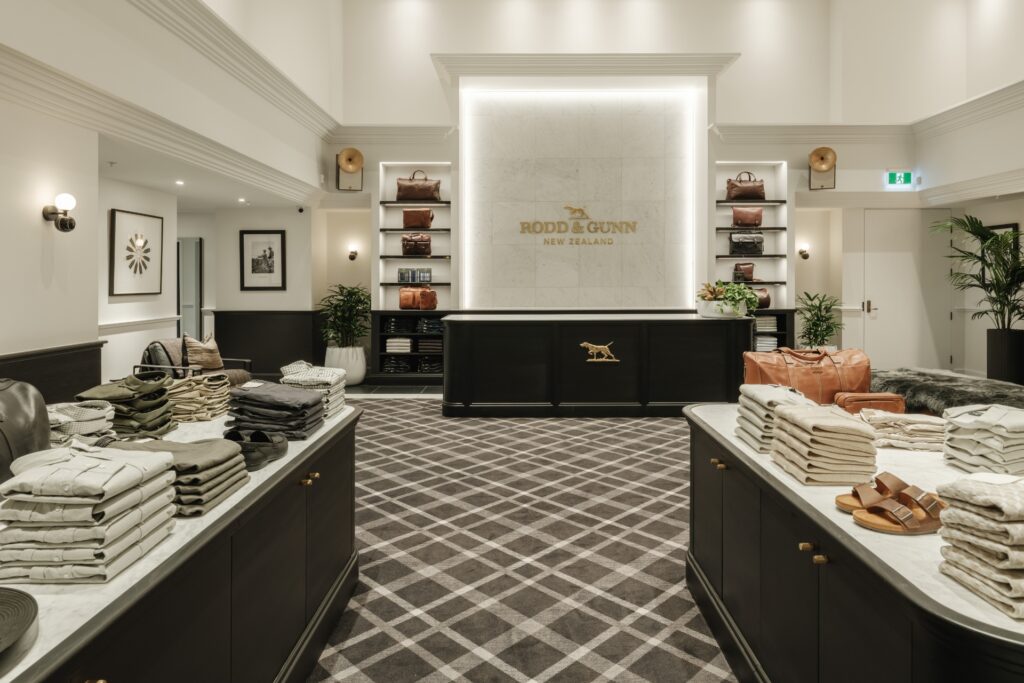
The retail floors at the Lodges act as a mise-en-scène for customers as they try on the clothes. Rees Street is set up like a hunting cabin, replete with wood panels, plaid armchairs and a centralised cobblestone fireplace with a tahr taxidermy mount. In Melbourne, the high ceilings contribute to the
address’ flagship status, with the brand’s earth-toned range of linen shirting and wool knits folded neatly on display islands, merchandised suggestively with leather duffle bags and strap sandals as the essentials for a weekend away.
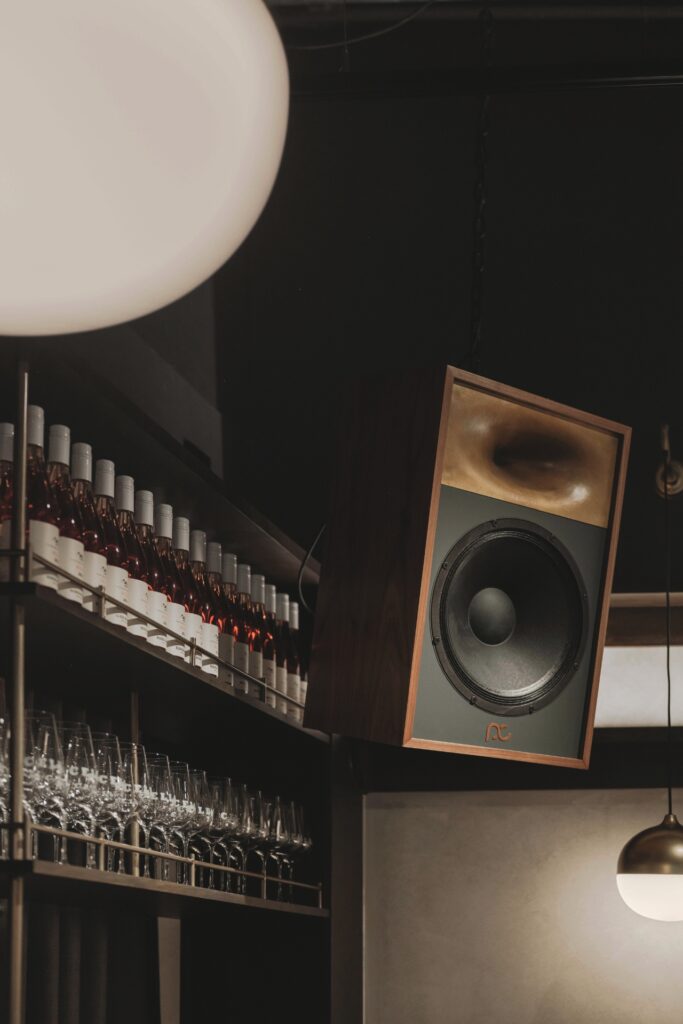
“What Josh and the team are doing with The Lodge Bar is a whole world view of that: we have the product, we have the stores, we can dress people and give them a slice of New Zealand through that,” says John Prikryl, creative director at Rodd & Gunn. “And then you have food and wine, which is a whole other level to it. So, when you combine that, you get a total packaged experience. It’s what customers are looking for.”
At menswear tradeshow Pitti Uomo in Florence, Prikryl, when he last attended, played host to international buyers at the brand’s stand, where a temporary Lodge Bar was set up. “It was right near the entrance, and so everybody had to walk past. We had a lot of buyers, a lot of business happening, a lot of drinks, a lot of partying and a lot of networking. The response was overwhelmingly positive.”
How fashion and hospitality have melded at Rodd & Gunn also comes down to Beagley and Prikryl’s friendship, which spans more than 20 years. (Prikryl’s mother, Irena, was Mike Beagley’s first creative director.) “We think the same about pretty much everything,” says Prikryl. Adds Beagley: “The Lodge Group has always borrowed the ethos from Rodd & Gunn of sourcing fantastic fabrics and the best textiles for garment manufacturing, and that’s not too dissimilar for a hospitality operation. Because you still want the best produce you can possibly get at the peak of the season, and you want to make sure you’re not embellishing it with too many things . . . Overdesigning is not what Rodd & Gunn does.”
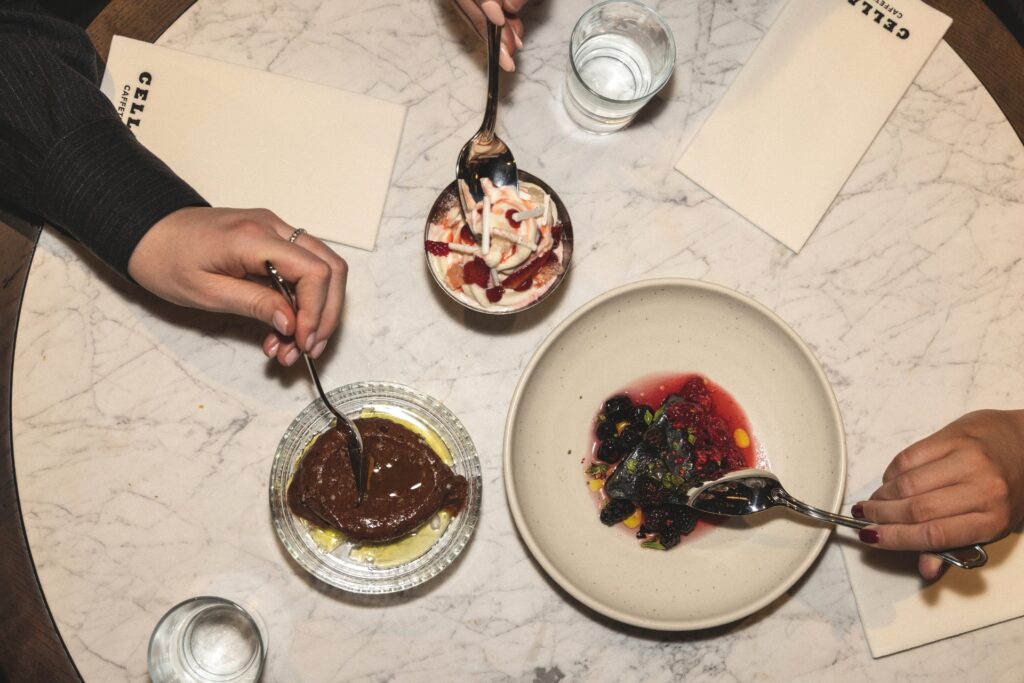
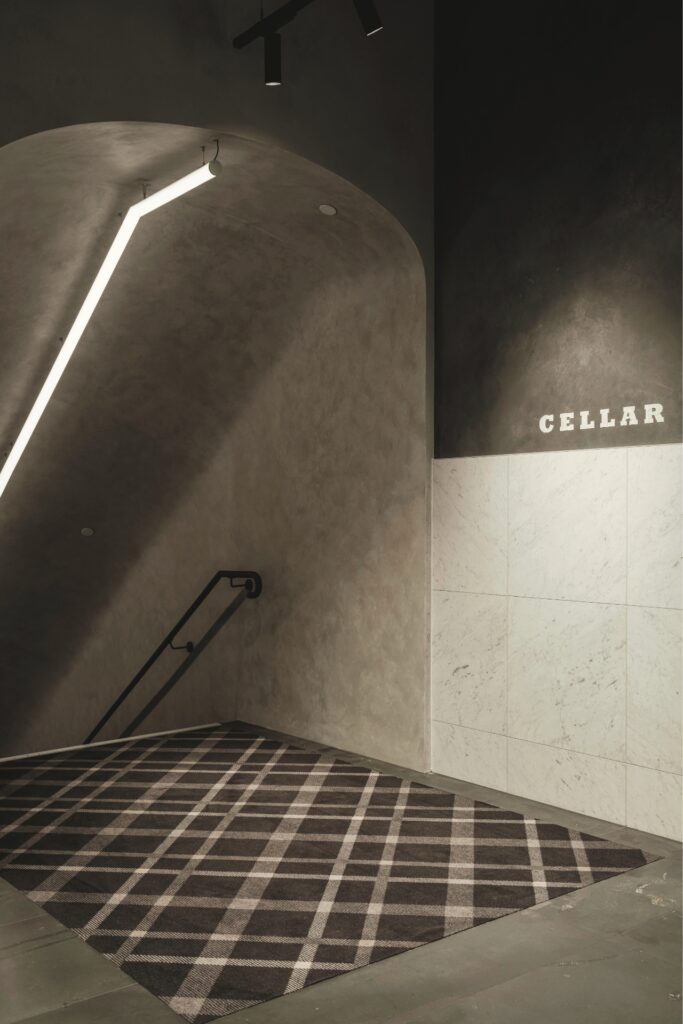
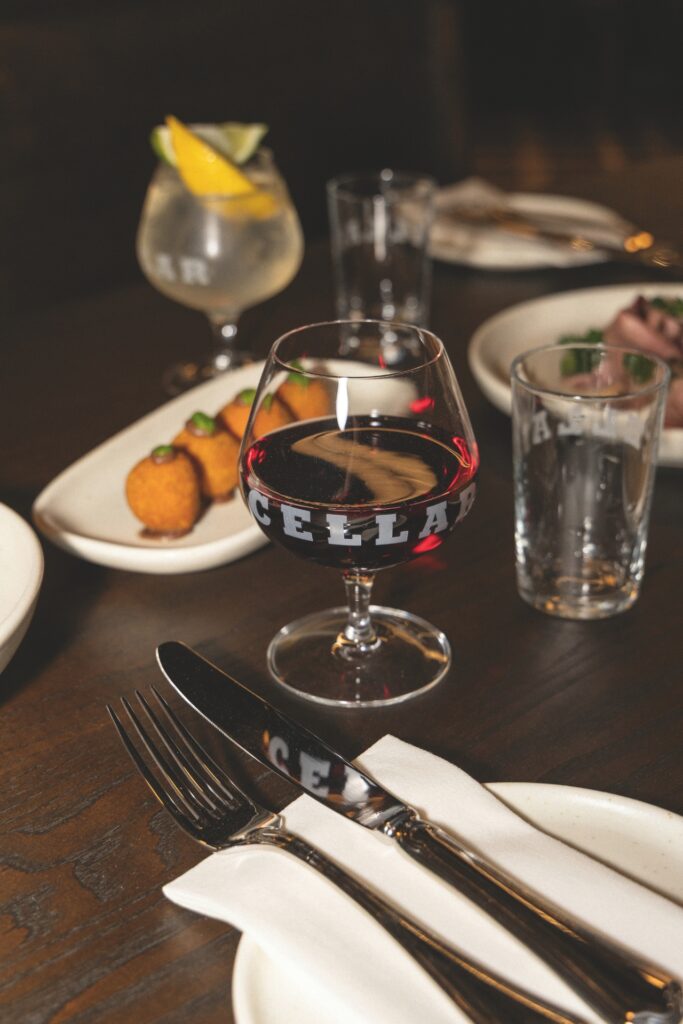
The final space that speaks to this ethos is The Cellar Caffeteria, where beneath the retail floor lies the brand’s wine collection. It’s also where customers can order from the hearty Italian-inspired menu created by Michelin Star chef James Evangelinos. Little Collins is still in its early days, and Beagley admits he’s still learning about how shoppers flow between the multi-storey space. But how it plays out in his mind is that the retail store manager would invite customers down to The Cellar to sample from the artfully curated wine list by Cameron Douglas (New Zealand’s only Master Sommelier), or perhaps order the spring salad and roasted Bannockburn chicken for lunch.
The result is a “quintessentially Melbourne” space that Beagley has filled from the cornices down, including staff. Beagley is especially proud to have brought Matt Bax, the mixologist behind the now-closed Bar Americano, back to the city. Bax will run the first-of-its-kind Laboratory at the Lodge. “When we were starting to think about what is quintessentially Melbourne, I thought, and I’m pretty biased, Bar Americano – I was a big, big fan,” says Beagley. “There was a meeting of minds in that regard. And I think he saw it as a unique proposition, [as in], ‘Hey, this is a retailer with a unique approach to what retail experiences should be’.”
Related:
Retail therapy: how wellness became the new frontier of bricks-and-mortar shopping
How industrial designer Henry Wilson found his missing piece