






The luxury resorts where food is the ultimate medicine
As prescribed by the chef

WE’VE ALL HEARD THE IDIOMS suggesting the healing power of food: you are what you eat; an apple a day keeps the doctor away; an army marches on its stomach. Hmmm, perhaps not so much the last one, but the gist is simple: nutrition is as intrinsic to our health as movement or rest. More so, perhaps, because as my PT likes to remind me, you can’t out-train a bad diet. Yet rarely do we think that way when we’re on holiday. It’s one of the few times that indulging becomes part of the itinerary, where pleasure sits proudly on the plate.
But at a handful of next-generation wellness resorts, our desire for indulgence has been given a new purpose. At RAKxa in Bangkok and The Farm at San Benito in the Philippines, menus are more like a treatment plan, where ingredients are selected in line with optimum macro ratios and micro healing properties.

Both destinations are part of a growing movement that sits at the intersection of gastronomy and medicine. For the chefs at this new wave of extreme luxury health retreats, “food as medicine” escapes its cliché. What’s striking, though, is how human it feels. There’s nothing sterile about the aesthetic output of these kitchens. The food might be data-driven and nutritionally calibrated, but it’s still made to be devoured, not endured. Just don’t rush, it’s bad for your tummy.
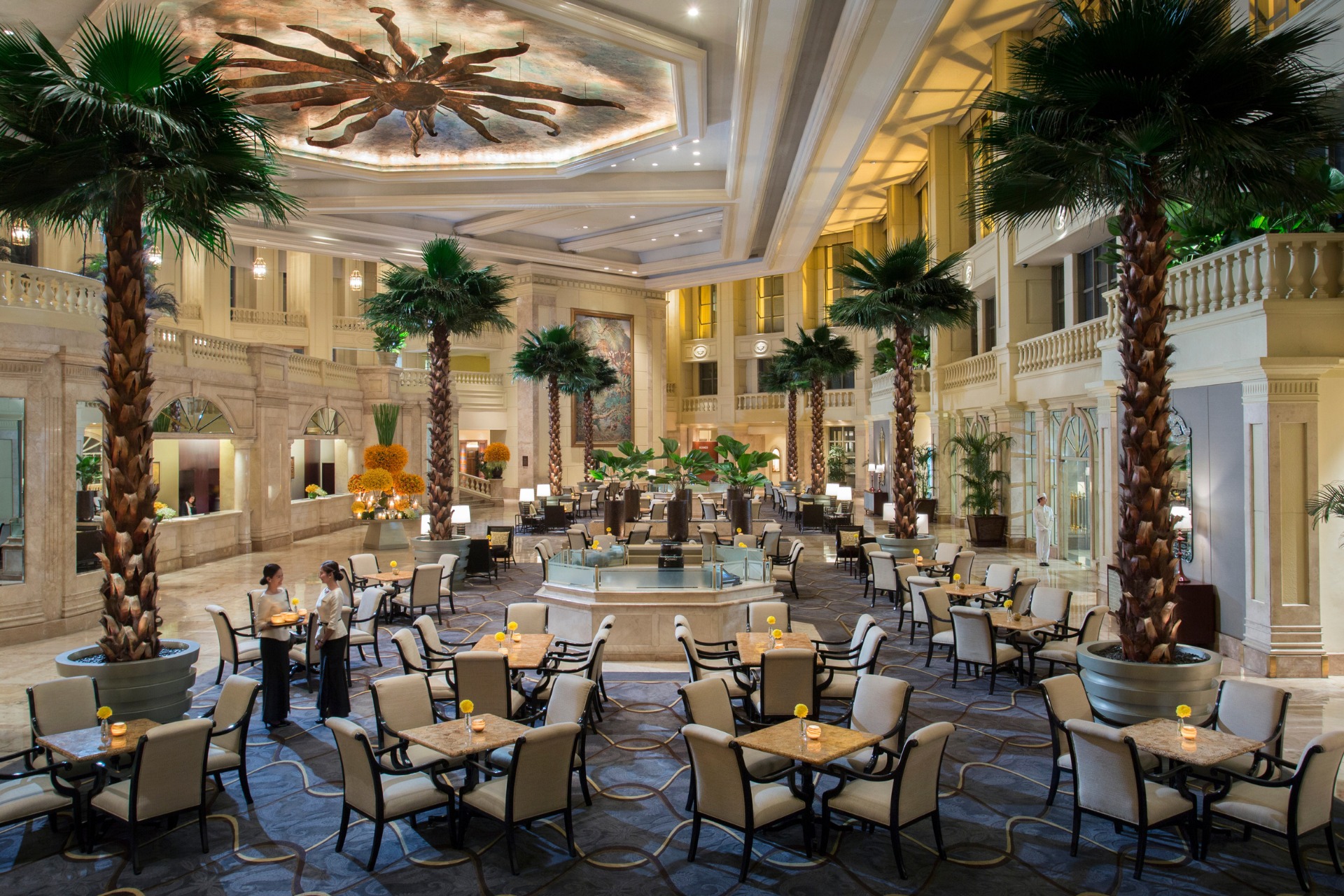
At RAKxa, a collaboration between VitalLife Scientific Wellness Centre and Bumrungrad International Hospital, every meal begins before you’ve even lifted a fork. After a battery of health diagnostics and consultations, the results are shared with the chefs. “We personalise each guest’s meals based on data provided by our nutritionists and doctors,” says executive chef Kullanit “Toey” Vorawanichar. “We might use low-temperature cooking to preserve nutrients or fermentation to introduce beneficial bacteria into the body.”
Her food is grounded in Thai culinary tradition – bright, herbal, balanced – presented with additional fine-dining finesse. “We make sure to strike a good balance between comforting foods and new flavours, as well as medicinal food and indulgent dining,” she says. “Our dishes remain vibrant, flavourful and satisfying, using natural sweetness from palm sugar or coconut, and the freshest seasonal ingredients, with many sourced from our own organic farm.”

Breakfast might begin with joke, a Thai-Chinese rice porridge spiced to “kickstart your metabolism in the morning”, while in the evenings the kitchen turns to lighter broths and cooling teas. “Each menu is tailored to support a guest’s individual wellness journey,” Chef Toey explains. “Our Tea Sommelier can even create personalised blends to help with sleep or to feel more energised throughout the day.”
The main restaurant, Unam, works from a rotating seasonal set menu, which Chef Toey says helps “remove the stress and decision paralysis of ordering”. Detox menus are available for those on stricter programs, but indulgence is never off the table. “We’re wary of pushing a limiting or restrictive wellness diet that isn’t sustainable,” she says. “We also want to make sure guests can still enjoy the gastronomical joy that is Thai cuisine while in Thailand.”

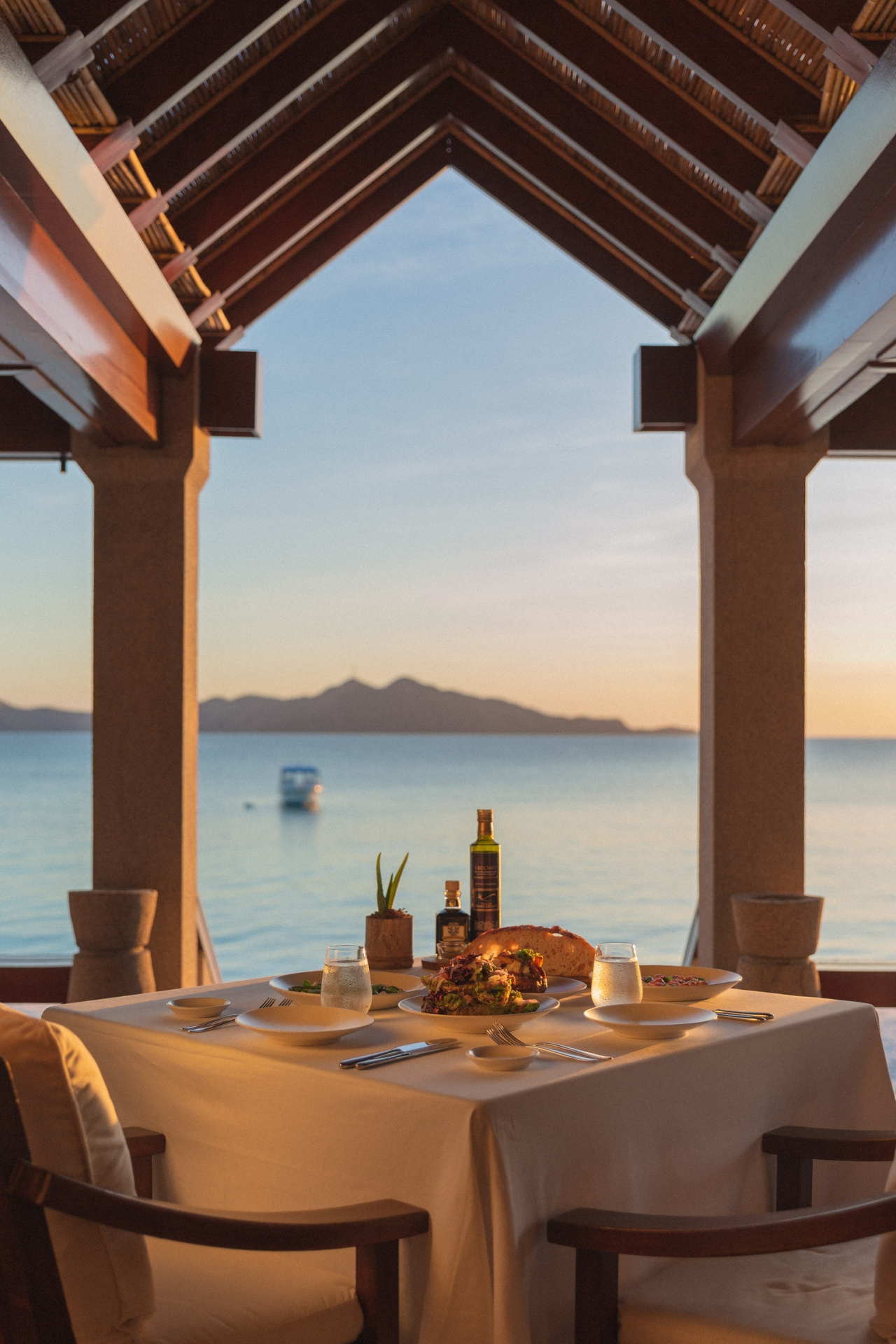
Even presentation becomes part of the therapy. “When food looks beautiful, people don’t see it through prejudiced eyes or assume it’s bland just because it’s healthy,” says Toey. Plates come vibrant with herbs and edible flowers. It’s medicine disguised as art.
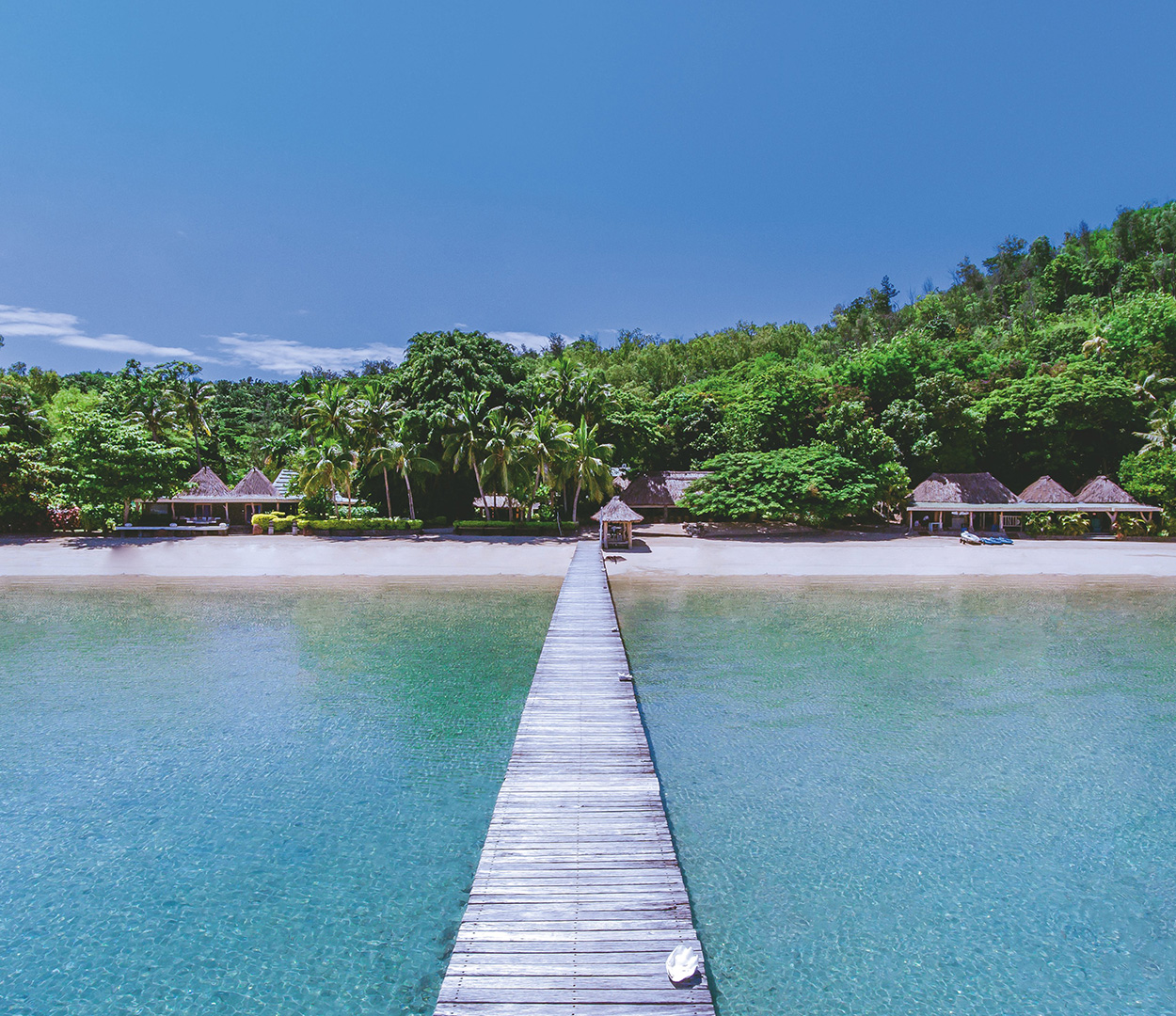
If RAKxa leans on science dressed as mouthwatering offerings, The Farm at San Benito embraces medicine as ritual. Set among the jungled foothills of Batangas City, the resort has been a pilgrimage site for wellness seekers since long before “biohacking” entered the vocabulary. Here, food is the spiritual core of the stay, with menus created by executive chef Marie Pagcaliwagan. “At The Farm, every ingredient has a purpose: to nourish, restore and heal,” she says. “Each dish supports the body’s natural detoxification, cellular repair and energy systems, but always through the lens of pleasure.”
Up to 70 per cent of the produce is grown onsite, including leafy greens, herbs, tropical fruit and medicinal plants. The rest is sourced from local cooperatives in Batangas. Provenance, Marie says, is everything. “Every ingredient carries a story about where it was grown, how it was nurtured and the energy behind it. That story becomes part of the dish.”

The property’s dining concepts trace the arc of a body in recovery. ALIVE! is raw, plant-based and enzyme-rich. It’s detox in technicolour. PESCE mirrors the Blue Zone or Mediterranean diets, pairing vegetables and whole grains with wild-caught seafood. And Souffle de Vie, the resort’s newest restaurant, layers French technique over Filipino produce, including burrata with basil pesto, mango panna cotta and pistachio cake. “Together, they represent the body’s journey from cleansing to rebalancing to rejuvenation,” says Marie.
Her cooking is embedded with nutrition science but delivered with a feast’s sensuality. “My goal is to translate nutritional science into sensory experience,” she says. “A dish must heal, but it should also delight the senses. If it doesn’t, the healing journey feels incomplete.”
It’s a balance she manages with quiet precision. “We sit down with the Wellness & Integrative Medicine team to understand each guest’s goals,” Marie explains. “Based on diagnostic tests and nutritional assessments, we tailor daily menus to complement their therapeutic program. It’s a dialogue between science and cuisine, refined based on how the guest’s body responds.”
Some plans are as general as gut health, others as granular as macronutrient ratios. “A guest on a liver cleanse might receive dishes rich in chlorophyll and sulphur compounds,” she says. “Someone managing insulin sensitivity would have meals designed around low-GI ingredients and plant proteins.”

And indulgence is never an afterthought. “Pleasure is a vital nutrient,” she says. Desserts like raw tiramisu and coconut-mango panna cotta replace refined sugar with coconut nectar or dates, fats with avocado and cacao. The result is decadence by design, not a loophole but a lesson in balance.
The two chefs share a similar conviction: that food doesn’t need to be punitive to be powerful. “The more I work with wellness cuisine, the more I believe in the power of balance and adaptability,” Toey says. “Adjusting cooking methods, ingredients and calorie intake to create meals that nourish both the body and the mind.”
Marie concurs. “You can’t nourish the body while harming the planet that feeds it,” she says. “That’s why The Farm focuses on organic farming, zero-waste kitchens and locally sourced produce.”
In both kitchens, the science is hidden beneath the craft – in the slow fermentation of kombucha, the gentle dehydration of herbs, the patience of nut-ageing. Every meal is equal parts diagnosis and devotion.
Because whether you call it biohacking, mindful eating or simply dinner, the pleasure is the point. Healing, and getting healthier, are just delicious side effects.
Related: